Why Are We Still Debating the Industrial Revolution?
The Industrial Revolution, a pivotal moment in human history, continues to spark discussions and debates among historians, economists, and the general public alike. Despite the passage of time, the complexities of this transformative era remain a point of contention, raising questions about how our predecessors navigated profound changes in society, economy, and technology.
A Brief Overview of the Industrial Revolution
Spanning from the late 18th century to the early 19th century, the Industrial Revolution marked a significant shift from agrarian economies to industrialized ones. This period saw the introduction of machinery, the rise of factories, and a dramatic increase in production capabilities. The movement began in Great Britain and soon spread to other parts of the world, forever altering the landscape of labor and commerce.
Why the Debate Persists
The ongoing debate surrounding the Industrial Revolution can be attributed to several factors:
- Multiple Perspectives: Different historians and scholars interpret the impacts of the Industrial Revolution through various lenses, including economic, social, and environmental viewpoints. This diversity of thought can lead to conflicting narratives.
- Incomplete Historical Data: Much of the data from this period is fragmented or incomplete, making it challenging to form definitive conclusions about the societal changes that occurred. This lack of clarity often results in differing interpretations.
- Modern Implications: The effects of the Industrial Revolution are still felt today, influencing contemporary debates on industrialization, globalization, and environmental sustainability. As we grapple with these issues, our understanding of the past becomes increasingly relevant.
Economic Impact: A Double-Edged Sword
Economically, the Industrial Revolution led to unprecedented growth and prosperity for many, but it also created stark inequalities. While factory owners and industrialists amassed wealth, many laborers faced grueling conditions and meager wages. The rise of capitalism during this era left a legacy of economic disparity that continues to influence discussions about wealth distribution today.
Social Changes: Progress and Struggle
Socially, the Industrial Revolution transformed communities. Urbanization became a defining characteristic as people flocked to cities in search of work. However, this shift also brought about challenges, including overcrowding, poor living conditions, and the erosion of traditional family structures. The debates surrounding these social changes reflect ongoing concerns about urban life and community dynamics.
Environmental Consequences: A Growing Concern
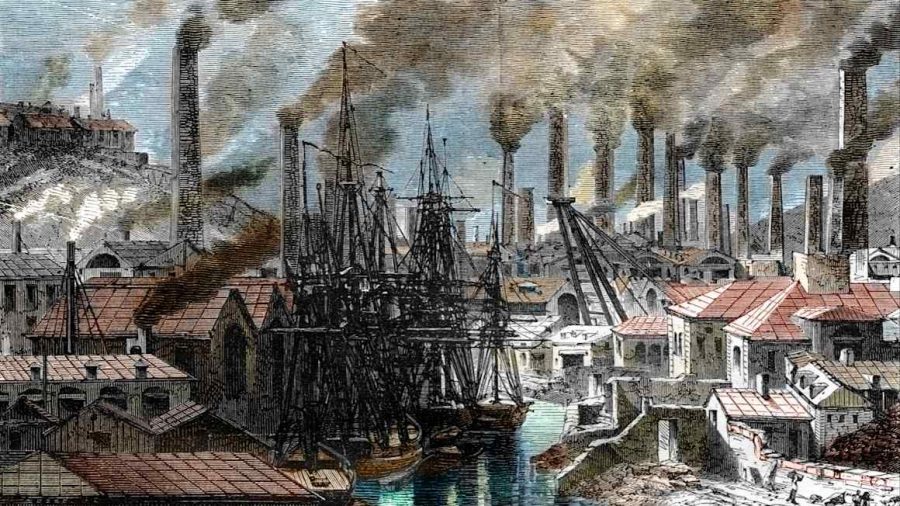
The environmental impacts of the Industrial Revolution are now at the forefront of discussions about sustainability. The reliance on coal and other fossil fuels during this period initiated a trajectory of environmental degradation that poses significant challenges today. As we confront climate change, the lessons from the Industrial Revolution are more pertinent than ever.
Conclusion: Learning from the Past
While the Industrial Revolution is often viewed as a catalyst for progress, it also serves as a reminder of the complexities inherent in societal change. The ongoing debates reflect our struggle to reconcile the benefits of industrialization with its drawbacks. As we continue to analyze this transformative period, it is crucial to recognize the diverse perspectives and experiences that shaped our modern world. Understanding how our predecessors navigated these profound changes may provide valuable insights for addressing the challenges we face today.