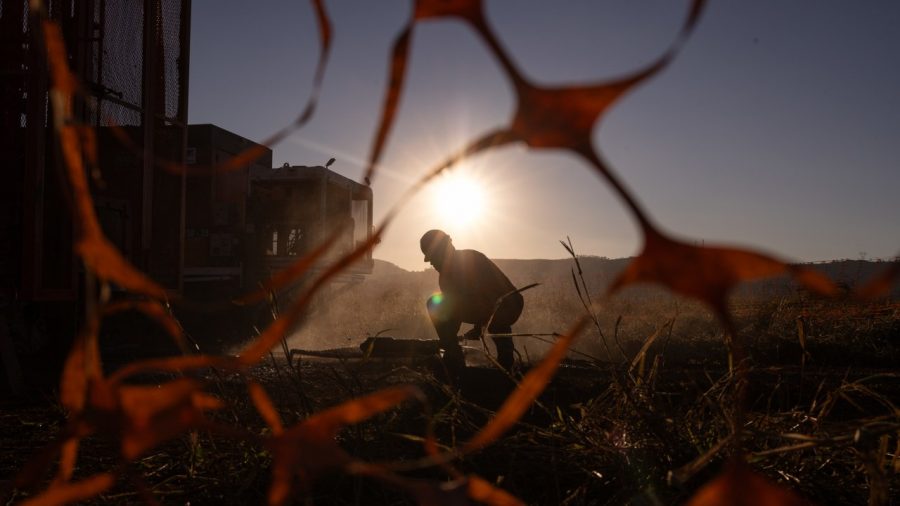
The Fight to Break China’s Rare-Earth Dominance Moves to Brazil
As the global demand for rare-earth elements continues to surge, Brazil finds itself at a pivotal crossroads. With the world’s second-largest reserves of these critical minerals, Brazil aims to become a key player in the processing and supply of rare-earth materials. However, the nation faces a complex geopolitical landscape as it navigates its relationships with both Washington and Beijing.
Understanding Rare Earth Elements and Their Importance
Rare-earth elements (REEs) are essential for a variety of high-tech applications, ranging from smartphones to electric vehicles and renewable energy technologies. Despite their name, these elements are not particularly rare in terms of abundance in the Earth’s crust, but their extraction and processing are challenging and often environmentally damaging. As countries strive for technological independence and sustainability, the competition for access to these resources has intensified.
Brazil’s Riches: A Glimpse into the Reserves
Brazil is estimated to hold approximately 22 million metric tons of rare-earth reserves, positioning it as the second-largest source globally, following China. The Brazilian government has recognized the potential economic benefits of developing its rare-earth sector, which could not only boost the national economy but also provide an alternative supply chain to the heavily China-dominated market.
Geopolitical Implications: Choosing Sides
As the United States and its allies seek to reduce reliance on Chinese rare-earth supplies, Brazil finds itself in a delicate balancing act. Washington has actively encouraged countries to develop their rare-earth capabilities, offering support and investment. However, Brazil is also keen to maintain its trade relationship with China, which is its largest trading partner and a significant investor in its mining sector.
- U.S. Interests: The U.S. sees Brazil as a potential ally in its efforts to secure a stable supply of rare-earth elements outside of China.
- Chinese Investments: China has invested heavily in Brazil’s mining infrastructure, further complicating the decision-making process for Brazilian policymakers.
Challenges Ahead: Environmental Concerns and Economic Viability
While the potential for rare-earth production in Brazil is promising, several challenges remain. Environmental concerns associated with mining and processing these materials are significant. Activists and local communities have raised alarms about the ecological impact of mining operations, which could lead to deforestation and water pollution. The Brazilian government will need to address these issues to ensure sustainable development.
Additionally, Brazil must invest in the infrastructure and technology necessary for rare-earth processing, which could require substantial financial resources and time. The country’s capacity to develop a competitive industry will depend on its ability to attract investment and expertise in this specialized field.
Looking Forward: Brazil’s Strategic Position
As Brazil moves forward with its plans to become a significant player in the rare-earth sector, it will have to carefully navigate the competing interests of global powers. The balance between fostering a robust domestic industry and maintaining favorable international relations will be crucial for Brazil’s success.
Ultimately, Brazil’s decision-making in the realm of rare-earth processing could reshape the global supply chain and contribute to a more diversified and secure market for these essential materials. The world will be watching closely as Brazil steps into this new role, with implications that extend far beyond its borders.