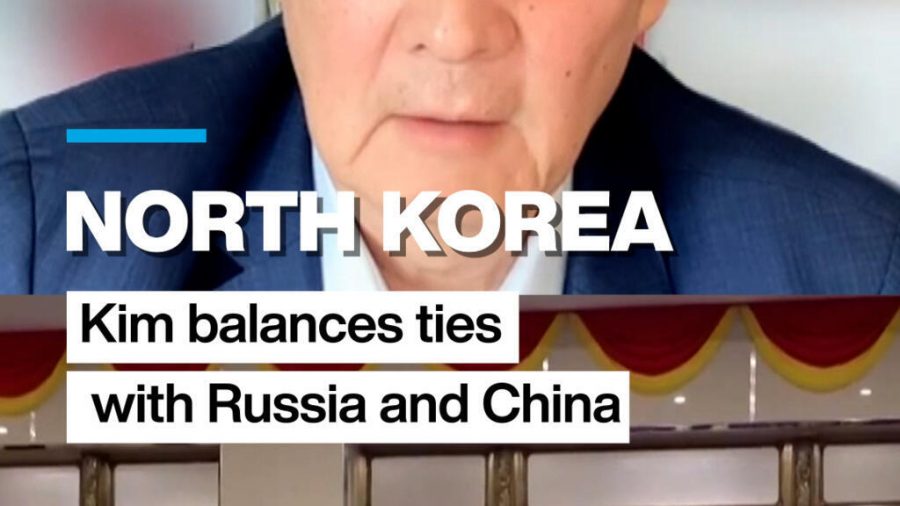
Kim Jong-un’s Diplomatic Balancing Act: Navigating China and Russia
In a rapidly changing geopolitical landscape, North Korea’s leader, Kim Jong-un, is finding himself in a delicate position. As relations between major powers like China and Russia evolve, Pyongyang must tread carefully to maintain its sovereignty while leveraging these relationships for economic and military support.
The Competing Interests of China and Russia
China and Russia are both keen to enhance their influence over North Korea, but their interests do not always align. For decades, China has been North Korea’s primary ally, offering economic aid and political support. However, as the dynamics of international relations shift, Russia is also seeking to re-establish its foothold in the region, driven by a desire to counterbalance U.S. influence.
- China: Historically, China has provided North Korea with crucial economic assistance, including food and energy supplies. This support is vital for the impoverished nation, which faces severe economic challenges exacerbated by international sanctions.
- Russia: Following its own geopolitical interests, Russia is attempting to cultivate closer ties with North Korea, offering trade opportunities and military cooperation in an effort to challenge Western hegemony.
Kim’s Strategic Navigation
Victor Cha, an expert on North Korean affairs, emphasizes that Kim is cautious about becoming too entangled with either China or Russia. “Kim is very aware of the pitfalls of being overly reliant on one power,” Cha explains. “He understands that both countries have their own agendas, and he wants to ensure that North Korea remains in control of its own destiny.” This balancing act is not merely a diplomatic strategy; it is essential for the survival of the Kim regime.
Economic Dependencies and Military Alliances
North Korea’s economy is heavily dependent on Chinese trade, which accounts for a significant portion of its imports and exports. However, the regime is also exploring opportunities with Russia, particularly in the areas of energy and military collaboration. Recent reports indicate that Kim has been engaging in discussions with Russian leaders about potential arms deals, which could further complicate North Korea’s relationship with its traditional ally, China.
The Role of Sanctions
International sanctions have had a profound impact on North Korea’s economy, pushing the regime to seek alternative allies. While China has historically been supportive, the increasing pressure from the international community has forced Kim to diversify his diplomatic relationships. This shift could lead to a more assertive North Korea, especially as it seeks to bolster its military capabilities.
Future Implications for Regional Stability
The ongoing rivalry between China and Russia for influence over North Korea raises questions about the future of stability in the region. As both powers vie for Pyongyang’s allegiance, the potential for conflict increases, particularly if North Korea feels compelled to choose sides. Kim’s adept maneuvering may allow him to extract concessions from both powers, but it could also lead to increased tensions if miscalculations occur.
Conclusion
Kim Jong-un’s ability to balance the competing interests of China and Russia will be crucial for North Korea’s future. As he navigates this complex diplomatic landscape, the stakes are high—not only for his regime but also for the broader geopolitical environment in Northeast Asia. The world will be watching closely to see how this intricate balancing act unfolds in the coming months.