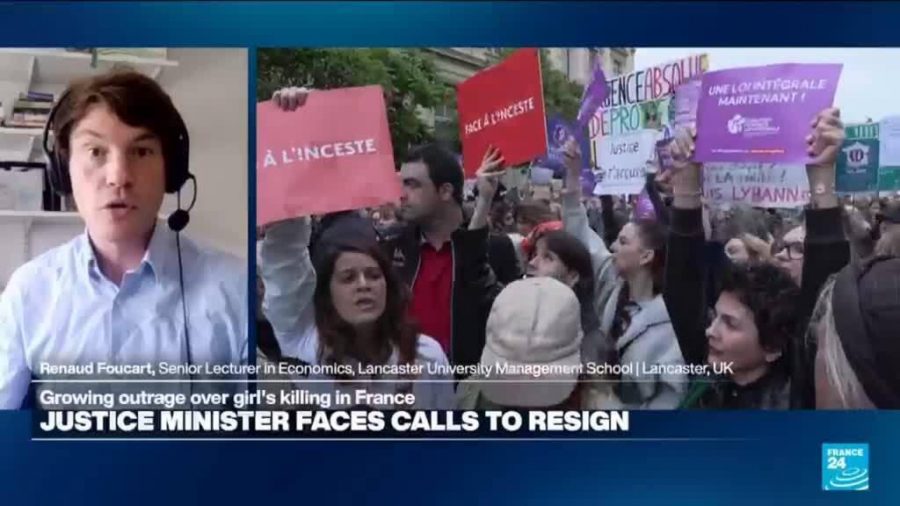
The Tragic Murder of Lyhanna: A Call for Accountability in France
In a heart-wrenching incident that has sent shockwaves throughout the nation, the murder of Lyhanna has ignited a fervent debate over the responsibilities of the French judiciary and the political elite. As the country grapples with the implications of this national tragedy, voices are rising to demand accountability and change.
A Nation in Mourning
The ordeal began when Lyhanna, a bright and spirited young girl, became the victim of a brutal crime that has left her community reeling. The circumstances surrounding her death have sparked outrage, leading to calls for a thorough examination of the systems in place that failed to protect her. This tragedy has not only affected her family and friends but has resonated throughout France, igniting discussions about societal safety and the role of the judiciary.
Political Accountability Under Fire
As the investigation unfolds, many are turning their ire toward the French judicial system and the political figures who oversee it. Haxie Meyers-Belkin, a commentator on the issue, highlights the urgent need for those in power to take responsibility. “No one at the political level is taking responsibility,” he notes, emphasizing the disconnect between the judiciary’s actions and the expectations of the public.
Expert Insights: Renaud Foucart Weighs In
In light of the tragedy, Haxie Meyers-Belkin welcomed Renaud Foucart, Senior Lecturer in Economics at Lancaster University, to discuss the implications of Lyhanna’s murder. According to Foucart, the hearings in the French parliament are indicative of a broader societal desire to re-evaluate accountability measures. “There is a fundamental drive to establish responsibility in the wake of this tragedy,” he stated during the conversation.
Reassessing Safeguarding Standards
Foucart argues that French society may be entering a critical period of reassessment regarding safeguarding standards, particularly concerning the balance between children’s freedom and their security. He outlines the potential for stronger measures to be put in place, yet warns that such changes might come at a social cost. “This could signify the end of innocence or the end of children roaming freely,” he cautions, highlighting a dilemma that many societies are increasingly facing.
- Stricter laws regarding child safety could be implemented.
- The balance between freedom and security is under scrutiny.
- Communities are demanding more accountability from officials.
A Society at a Crossroads
The conversation surrounding Lyhanna’s murder is not merely about one child’s tragic fate; it is emblematic of a larger struggle within French society. As parents, lawmakers, and citizens reflect on the implications of this event, they are confronted with the pressing need to ensure that children can grow up in a safe environment without sacrificing their liberties.
The path forward will undoubtedly be complex, requiring thoughtful dialogue and collaboration among all stakeholders involved. The events that have unfolded in the wake of Lyhanna’s death may serve as a catalyst for change, prompting a reevaluation of existing policies and an urgent call to action. France stands at a pivotal moment, where the choices made today will resonate for generations to come.
Conclusion: The Need for Change
As the nation mourns the loss of Lyhanna, it is imperative that the dialogue surrounding her murder translates into meaningful action. The responsibility lies not only with the judiciary but also with the political leaders who must prioritize the safety and well-being of all children. France’s response to this tragedy will shape the future of child protection and societal values, signaling whether the country chooses to uphold the ideals of freedom while ensuring the security of its youngest citizens.