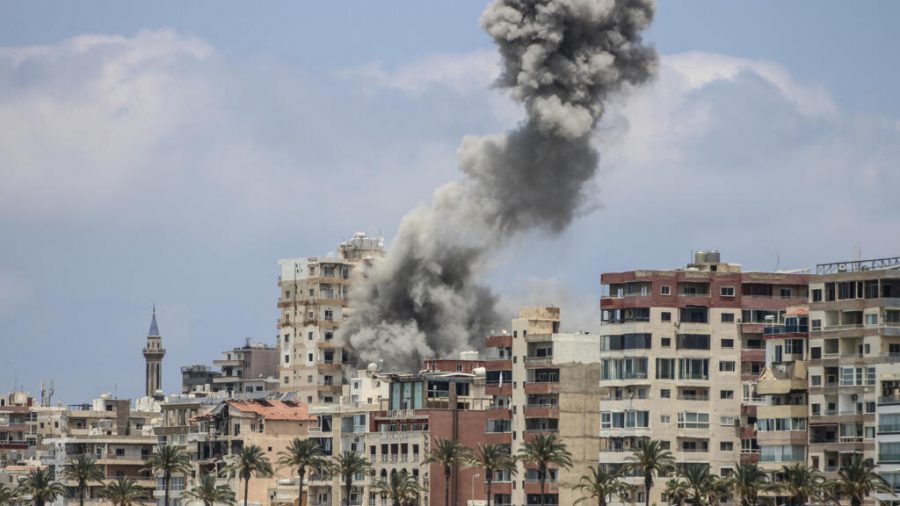
Escalating Tensions: Israeli Strikes in Lebanon
In a devastating escalation of the ongoing conflict, Israeli airstrikes in southern Lebanon have resulted in the deaths of 12 individuals, according to the Lebanese health ministry. This military action has intensified the already fragile situation along the Israel-Lebanon border, prompting Israeli Prime Minister Benjamin Netanyahu to make a controversial appeal to the Lebanese populace.
Netanyahu’s Call to Action
On Wednesday, as the airstrikes unfolded, Netanyahu urged Lebanese citizens to join Israel in its fight against Hezbollah, the militant group that has long been a thorn in the side of Israeli security. His statements came at a time when the region is still reeling from the effects of a conditional truce announced just last week, following months of escalating violence.
Impact of Airstrikes
The airstrikes targeted several areas within southern Lebanon, particularly focusing on regions known to harbor Hezbollah operatives. Witnesses reported that the strikes were intense and precise, leading to significant civilian casualties. While the Israeli military has justified these actions as necessary to protect its citizens from potential attacks, the civilian toll has raised serious ethical and humanitarian concerns.
Reactions from Lebanon
The Lebanese government condemned the Israeli airstrikes, calling them a violation of national sovereignty and a blatant disregard for human life. The health ministry’s report on the casualties has sparked outrage among Lebanese citizens, many of whom are already grappling with the repercussions of a long-standing economic crisis exacerbated by ongoing regional conflicts.
Detained Municipal Employees
In a related development, two municipal employees from a border town were reportedly detained by Israeli forces during the airstrikes. However, they were released shortly thereafter, leading to questions about the nature of their detention and the broader implications for the local population, already weary from the persistent violence.
The Fragile Ceasefire
This latest round of violence comes despite an April ceasefire that was supposed to bring an end to hostilities in the region. The fragile peace had been maintained with difficulty, and many analysts are now questioning the viability of any truce amid such escalated military actions. The conditional nature of the truce, announced last week, has not helped stabilize the situation, as both sides continue to engage in military rhetoric.
International Response
The international community has expressed concern over the rising tensions between Israel and Hezbollah, with calls for restraint coming from various global leaders. The United Nations has urged both parties to return to the negotiating table, emphasizing the need for dialogue over military action to resolve the ongoing conflict.
Conclusion
As the situation continues to deteriorate, the people of Lebanon find themselves caught in the crossfire of a conflict that shows no signs of abating. With Netanyahu’s provocative statements and Israel’s military actions, the likelihood of a peaceful resolution appears increasingly distant. The deaths of 12 individuals in this latest round of strikes serve as a tragic reminder of the human cost of war, as both nations grapple with the consequences of their prolonged hostilities.