The Unfulfilled Promise of Microfinance
For decades, microfinance has been heralded as a revolutionary solution to global poverty, providing loans to millions of aspiring entrepreneurs in developing countries. However, despite the injection of hundreds of billions of dollars into the sector, evidence suggests that microfinance has not significantly alleviated poverty and may have even exacerbated financial hardships for many borrowers.
The Rise of Microfinance
Microfinance emerged in the 1970s with the aim of empowering the poor by offering small loans to individuals who lacked access to traditional banking services. Organizations like Grameen Bank in Bangladesh pioneered the concept, claiming that even the smallest amount of capital could transform lives and stimulate economic growth. Advocates argued that microloans could enable borrowers to start businesses, improve their homes, and invest in education.
The Reality of Debt
While the initial results were promising, the reality for many borrowers has been starkly different. A significant number of individuals who took out microloans found themselves trapped in a cycle of debt. With high interest rates and the pressure to repay loans quickly, many borrowers took on additional debt to cover their payments. This vicious cycle led to increased financial stress and, in some cases, severe hardship.
Case Studies Highlighting the Struggle
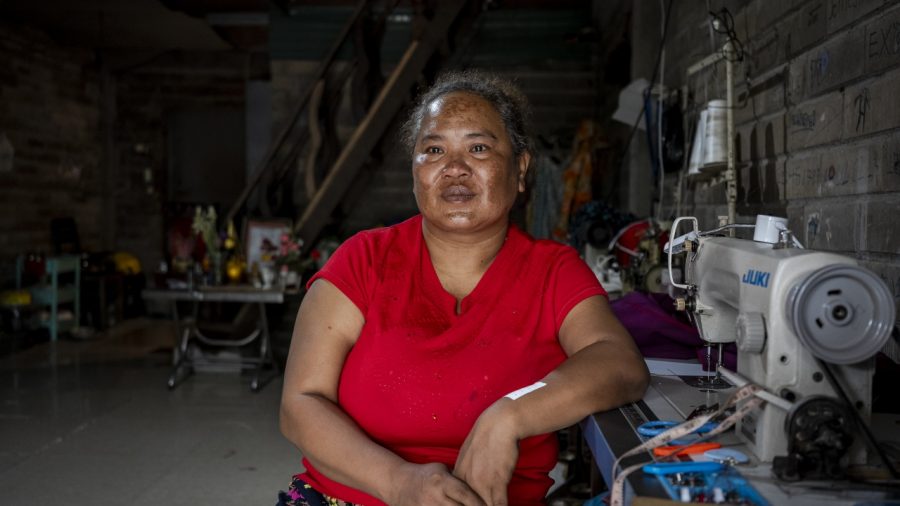
Several case studies illustrate the pitfalls of microfinance. In India, a woman named Meera borrowed $500 to start a small tailoring business. Although she initially experienced a boost in income, unforeseen expenses and a lack of customers meant she struggled to repay the loan. Within a year, she was forced to borrow again, leading to a debt spiral that threatened her family’s livelihood.
Similar stories can be found across the globe. In Kenya, many borrowers reported that the loans they received did not lead to sustainable business growth but instead put them in precarious financial situations. The reliance on loans often meant that borrowers were unable to save, leading to a lack of financial security.
Criticism and Reevaluation of Microfinance
The growing body of evidence highlighting the challenges faced by microfinance borrowers has led to increased criticism of the model. Critics argue that the focus on profit-driven lending can overshadow the welfare of borrowers. Many microfinance institutions (MFIs) prioritize repayment rates and profitability over the long-term success of their clients.
Additionally, the impact of microfinance on poverty alleviation has come under scrutiny. Research indicates that while some borrowers may experience a temporary uplift in income, the overall effect on poverty levels is minimal. A 2015 study published in the journal “Science” found that microfinance did not significantly improve the economic status of borrowers in the long term.
The Way Forward: A New Approach to Financial Inclusion
As the limitations of traditional microfinance become apparent, there is a growing call for a reevaluation of financial inclusion strategies. Experts advocate for a more holistic approach that includes financial education, savings programs, and support services alongside credit. This could help borrowers manage their debts more effectively and encourage sustainable economic growth.
- Financial Education: Providing borrowers with the tools and knowledge to manage their finances and make informed decisions.
- Savings Programs: Encouraging savings can provide a buffer against unforeseen expenses and reduce reliance on loans.
- Support Services: Offering mentorship and guidance can help borrowers develop their businesses and improve their chances of success.
Conclusion
While microfinance was once viewed as a beacon of hope for the world’s poorest, the reality is that it has often fallen short of its promises. As we move forward, it is crucial to learn from the experiences of borrowers and adapt our approaches to ensure that financial services empower rather than burden those they are designed to help.