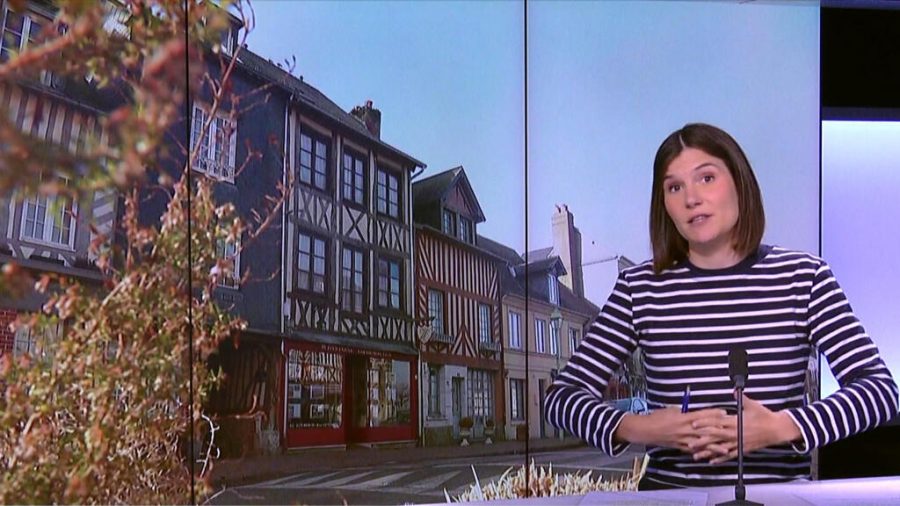
Life Beyond the Postcard: A Glimpse into French Villages
When one thinks of French villages, images of sun-soaked streets, quaint cafes, and rustic stone churches spring to mind. However, beneath this romantic facade lies a different reality, one that is often overlooked by travelers. In this article, we delve into the true essence of village life in France today, exploring both the challenges faced by residents and the unique character of these rural communities.
The Allure of French Village Life
French villages have long been romanticized in literature and film, depicted as idyllic settings where time stands still. The charm of narrow cobbled streets, vibrant flower boxes, and bustling markets paints a picturesque image that many yearn to experience. However, the reality is that village life is not always as serene as it appears. While some villages thrive on their beauty and cultural heritage, others struggle with issues such as population decline and economic hardship.
Population Decline: A Growing Concern
Like many rural areas around the world, French villages are experiencing a decline in population. Young people are leaving in search of better job opportunities in cities, leading to an aging demographic in many communities. According to a recent study, nearly 60% of France’s rural municipalities have seen a decrease in their populations over the last decade. This shift has significant implications for local economies and the vibrancy of village life.
- Economic Challenges: With fewer residents, many villages struggle to maintain essential services such as schools, shops, and healthcare facilities. This creates a cycle of decline, where the lack of services further drives people away.
- Community Spirit: Despite these challenges, many villages are fostering a strong sense of community. Residents often come together to support local initiatives, whether it’s preserving cultural traditions or organizing events to attract tourists.
Quirky Village Names: A Source of Pride
In addition to their picturesque landscapes, some French villages are known for their quirky or unusual names, which often reflect the history and culture of the region. These names not only add character to the map but also serve as a conversation starter for visitors.
- Saint-Rémy-de-Provence: Famous for its connection to Vincent van Gogh, this village’s name evokes artistic inspiration.
- Yssingeaux: This village boasts a name that is often mispronounced but is a source of pride for its residents.
- Les Arcs: Known for its skiing and stunning views, its name translates to ‘the arcs,’ hinting at the surrounding mountain landscapes.
Tourism: A Double-Edged Sword
While some villages rely on their charm and beauty to attract tourists, this influx can be a double-edged sword. On one hand, tourism can provide much-needed revenue and help revitalize local economies. On the other hand, it can lead to overcrowding and the commercialization of the village’s unique character.
In many cases, residents express a desire for a balance between welcoming visitors and preserving the authenticity of their village life. Initiatives aimed at promoting sustainable tourism are gaining traction, encouraging visitors to engage with the local community in meaningful ways.
Conclusion: The Heart of Rural France
As we step away from the bustling cityscapes and delve into the heart of rural France, we uncover a tapestry of challenges, community spirit, and unique identities. The romantic image of French village life may capture the imagination, but the reality is far more complex. By embracing both the beauty and the struggles of these communities, we can appreciate the resilience and character that define life in France’s villages today.