India Protests to US Following Deadly Tanker Attack
In a significant diplomatic development, India has lodged a formal protest with the United States after the tragic death of three Indian sailors in a recent tanker attack in the Gulf. This incident has reignited concerns over maritime security in the region and prompted India’s call for urgent de-escalation.
Details of the Incident
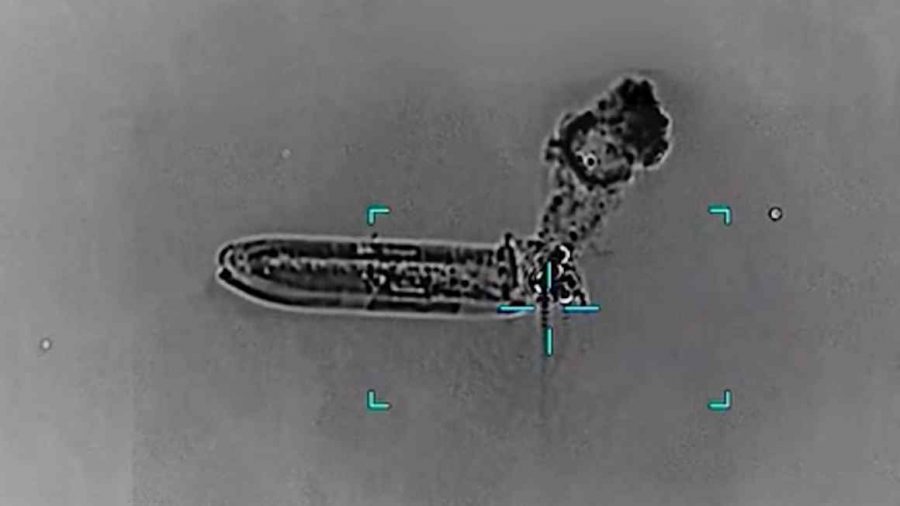
The attack, which occurred on a commercial tanker in the Gulf, has been characterized as a targeted strike amid rising tensions in the area. While the specific perpetrators of the assault remain unconfirmed, reports suggest that it may be linked to ongoing geopolitical conflicts that have escalated over the past few months. The loss of three lives has sent shockwaves through India, where the maritime community is grappling with the implications of such violence so close to home.
India’s Response
The Indian government has expressed its deep concern over the attack and its consequences for the safety of its citizens abroad. In a formal statement, New Delhi emphasized the need for a thorough investigation into the incident and called for all parties involved to exercise restraint and prioritize dialogue over confrontation.
Diplomatic Channels and Tensions with the US
While India has reached out to the US, seeking clarity and support regarding the attack, analysts suggest that the Indian government is treading carefully. There appears to be little appetite for a diplomatic confrontation with Washington, given the strong strategic partnership between the two nations. Instead, India is focusing on bilateral discussions that foster cooperation while addressing its security concerns.
The Geopolitical Landscape
The Gulf region has become increasingly volatile, with various nations engaged in a complex web of alliances and hostilities. The recent tanker attack underscores the precarious nature of maritime security, particularly for countries that rely heavily on these waterways for trade and economic stability.
Calls for De-escalation
India’s request for de-escalation highlights its commitment to maintaining peace and stability in the region. Analysts note that India has historically adopted a non-confrontational stance, opting instead to resolve conflicts through diplomacy and multilateral engagement. As tensions flare in the Gulf, India’s approach may serve as a model for managing international disputes without further exacerbating existing tensions.
Impact on Maritime Security
The ramifications of the tanker attack extend beyond the immediate loss of life. The incident raises critical questions about the safety of commercial shipping routes in the Gulf, an area that is vital for global trade. Experts warn that if such attacks continue, it could lead to increased military presence and protective measures, further complicating the geopolitical landscape.
The Way Forward
In light of this incident, it is imperative that all stakeholders engage in constructive dialogue to address the underlying tensions that led to the attack. By fostering cooperation and understanding, countries can work towards ensuring the safety of maritime routes and protecting the lives of those who depend on them.
Conclusion
The loss of Indian sailors in the tanker attack is a stark reminder of the fragility of peace in the Gulf region. As India navigates its response, the focus remains on fostering diplomatic ties with the US while advocating for a safer maritime environment. The global community must heed India’s call for de-escalation to prevent further tragedies.