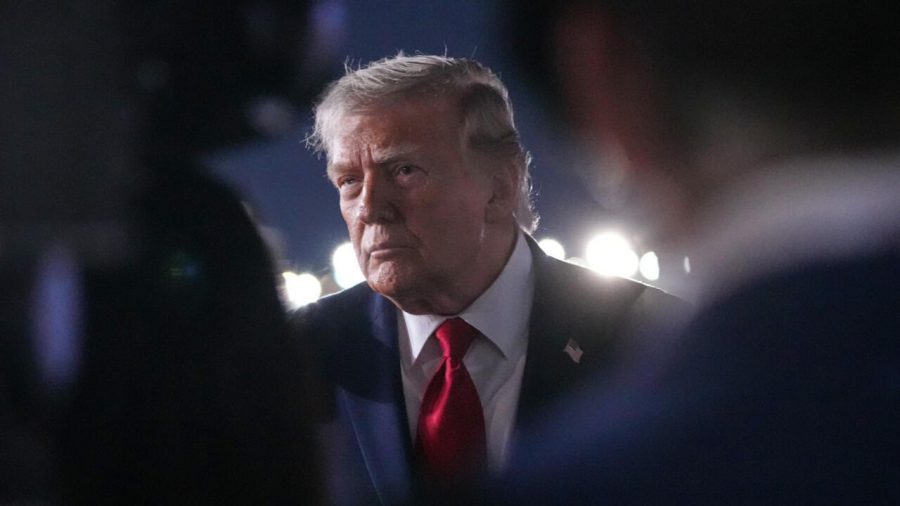
Trump Cancels Planned Strikes on Iran: A Major Shift in Foreign Policy
In a surprising turn of events, President Donald Trump announced on Thursday that he has decided to cancel military strikes against Iran. This decision comes amidst escalating tensions between the two nations, following the downing of a U.S. drone by Iranian forces earlier in the week.
Background of Tensions
The relationship between the United States and Iran has been fraught with conflict for decades. However, recent events have brought the two nations to the brink of war. The incident that triggered the latest escalation occurred when Iran shot down an unmanned U.S. surveillance drone, claiming it had violated its airspace.
The U.S. government, in response, confirmed the drone’s presence in international airspace but condemned Iran’s actions as aggressive and unlawful. As tensions rose, Trump faced a critical decision regarding military action, with many advisors advocating for a swift response.
Trump’s Decision to Cancel Strikes
Just hours before the planned strikes were set to take place, Trump took to Twitter to announce his decision to halt the operation. In his message, he stated, “I asked how many people would die in this strike. 150 people would die, and I stopped it, not proportionate to shooting down an unmanned drone.” This statement highlights Trump’s focus on minimizing casualties, even in the context of national security.
Reactions to the Decision
The decision to cancel the strikes has elicited a variety of reactions from both domestic and international observers. Some experts praise the move as a prudent step away from potential conflict, arguing that military action would have escalated tensions further and possibly led to a wider war.
- Supporters of the decision: Advocates for diplomacy believe that engaging Iran in dialogue is a more effective strategy for resolving differences.
- Critics of the decision: On the other hand, some critics argue that Trump’s cancellation reflects indecisiveness and could embolden Iran to continue its aggressive actions.
The Path Forward
With military action off the table for now, the focus shifts to diplomatic efforts. Analysts suggest that the United States may need to reconsider its approach to Iran, potentially seeking to re-enter negotiations regarding the nuclear deal that was abandoned in 2018 under Trump’s administration.
Additionally, the cancellation of strikes raises questions about the influence of Trump’s advisors and the internal dynamics of his administration. The president has faced criticism in the past for acting impulsively, but this decision may indicate a shift towards a more calculated approach to foreign policy.
Conclusion
The cancellation of planned strikes against Iran marks a significant moment in Trump’s presidency and U.S. foreign policy. As the world watches closely, it remains to be seen how this decision will impact U.S.-Iran relations and whether it will pave the way for a diplomatic resolution to ongoing tensions.