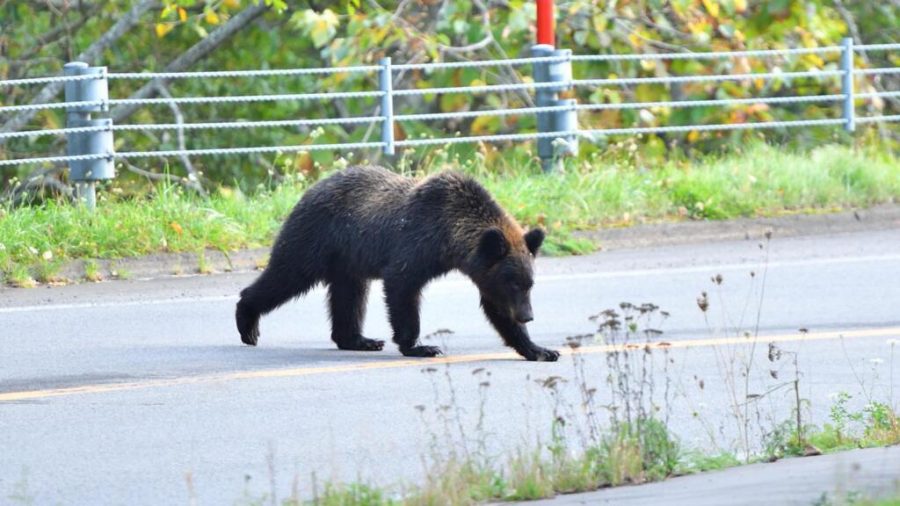
Understanding Japan’s Bear Problem
In recent weeks, the relationship between humans and bears in Japan has taken a troubling turn. A town situated north of Tokyo was forced to shut down nearly 100 schools in response to a series of alarming bear sightings. Meanwhile, another town witnessed a bear attacking four individuals, demonstrating not only its strength but also its intelligence by opening a water tap and unlatched a window to escape from a building it had found itself trapped in.
A Rising Threat?
The question on everyone’s mind is whether bears are becoming a more significant threat to human safety in Japan. To delve deeper into this issue, FRANCE 24’s Yuka Royer spoke with Kazuhiko Maita, a leading expert from the Institute for Asian Black Bear Research and Preservation. Maita, who has survived nine bear attacks himself, provides invaluable insights into the growing crisis.
The Numbers Behind the Encounters
According to Maita, the frequency of bear encounters has been on the rise in recent years. “There has been a notable increase in bear sightings in urban areas, which can be attributed to several factors including habitat loss, food scarcity, and changing climatic conditions that affect bear behavior,” he explains. He notes that urban encroachment on bear habitats has forced these animals into closer proximity with humans, leading to a surge in confrontations.
Reasons for the Increase
Several factors contribute to the alarming rise in bear sightings in Japan:
- Habitat Loss: As urban areas expand, natural habitats are destroyed, pushing bears into populated regions.
- Food Scarcity: Bears are struggling to find enough food in their natural environments, prompting them to venture into towns and villages in search of sustenance.
- Climate Change: Changing weather patterns affect bear foraging behavior and food availability, leading to increased human-bear interactions.
Public Safety Measures
In response to the increased threat, local authorities are taking various measures to ensure public safety. The temporary closure of schools is one such measure aimed at protecting children from potential bear encounters. Additionally, public awareness campaigns are being launched to educate residents on how to respond during bear sightings and what preventive measures they can take.
Community Response
The community’s response to bear sightings has been mixed. While some residents express fear and demand immediate action, others advocate for coexistence with wildlife, emphasizing the importance of preserving natural habitats. Maita stresses the need for a balanced approach, saying, “We must find a way to coexist with bears without compromising human safety. Education and awareness are crucial in achieving this goal.”
Conclusion: A Call for Action
As Japan grapples with its love-hate relationship with bears, it becomes clear that proactive measures must be taken to address the growing crisis. From habitat preservation to public education, understanding the underlying causes of bear behavior is essential. The recent incidents serve as a stark reminder of the need for a harmonious balance between human development and wildlife conservation. Only through collaboration and informed strategies can Japan navigate the complexities of its relationship with these majestic creatures.