US Plans to Cut Military Support to NATO in Europe
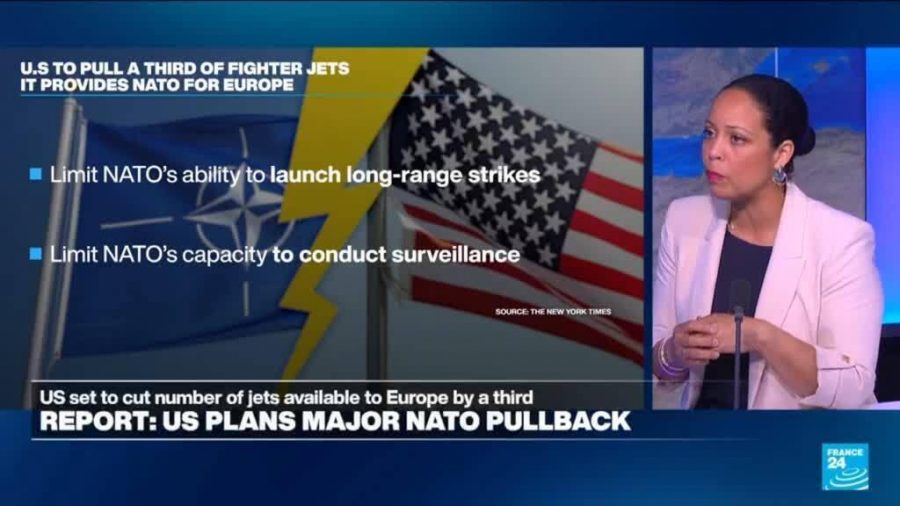
In a significant shift in military strategy, the United States is reportedly planning to reduce the number of fighter jets and warships it provides to NATO allies in Europe. This decision comes at a time when European nations are urgently seeking to strengthen their defense capabilities in response to heightened threats from Russia following its invasion of Ukraine in 2022.
The Context of the Decision
The New York Times reported on Thursday that the proposed cutbacks reflect a broader reassessment of U.S. military commitments abroad. As geopolitical tensions rise, particularly in Eastern Europe, the implications of this strategy could be profound, impacting the security landscape of the NATO alliance.
European Nations on High Alert
Since the onset of the Ukraine conflict, European countries have been on high alert regarding potential aggression from Russia. The fear that Moscow might extend its military ambitions to NATO member states has prompted many nations to increase their defense spending and capabilities. Countries such as Poland, the Baltic states, and Romania are particularly concerned about the security of their borders and have been vocal about the need for a robust NATO presence in the region.
The Importance of U.S. Military Presence
The presence of U.S. military assets in Europe has traditionally served as a deterrent against potential aggression from adversarial nations. NATO’s collective defense principle, enshrined in Article 5 of the North Atlantic Treaty, relies heavily on the commitment of the United States to support its allies. Reducing the number of fighter jets and warships could undermine this principle and raise questions about the U.S. commitment to European security.
Potential Consequences of Reduced Military Support
- Increased Vulnerability: European nations may feel more vulnerable without the full support of U.S. military power.
- Shifts in Military Strategy: NATO may have to reconsider its military strategies and deployments in response to the reduced U.S. presence.
- Domestic Political Pressure: The U.S. government may face scrutiny from both domestic and international stakeholders regarding its commitment to NATO.
Responses from NATO Members
The reported plans have sparked reactions from various NATO member states. Leaders are expressing their concerns about the potential implications for collective security. Some nations may be prompted to increase their own military spending or seek alternative partnerships to fill the perceived gap left by the U.S. reductions.
A Call for Increased European Defense Initiatives
In light of the shifting dynamics, there is a growing call for European nations to take more responsibility for their defense. Some analysts argue that the U.S. drawdown could serve as a catalyst for greater European military cooperation and integration. Initiatives such as the European Defense Fund and Permanent Structured Cooperation (PESCO) may gain renewed emphasis as countries seek to bolster their own defense capabilities independent of U.S. support.
Looking Ahead
The future of NATO’s collective defense framework may hinge on how European nations respond to the U.S. reduction in military support. As the situation develops, the alliance will need to navigate these challenges while ensuring that it remains a formidable deterrent against threats, particularly from Russia.
Overall, the decision to cut back U.S. military assets in Europe raises critical questions about the future of transatlantic security and the collective defense strategy that has underpinned NATO for decades. With the specter of conflict looming in Eastern Europe, the stakes have never been higher for both the United States and its European allies.