Britain’s Controversial Decision to Ban Prominent Left-Wing Commentators
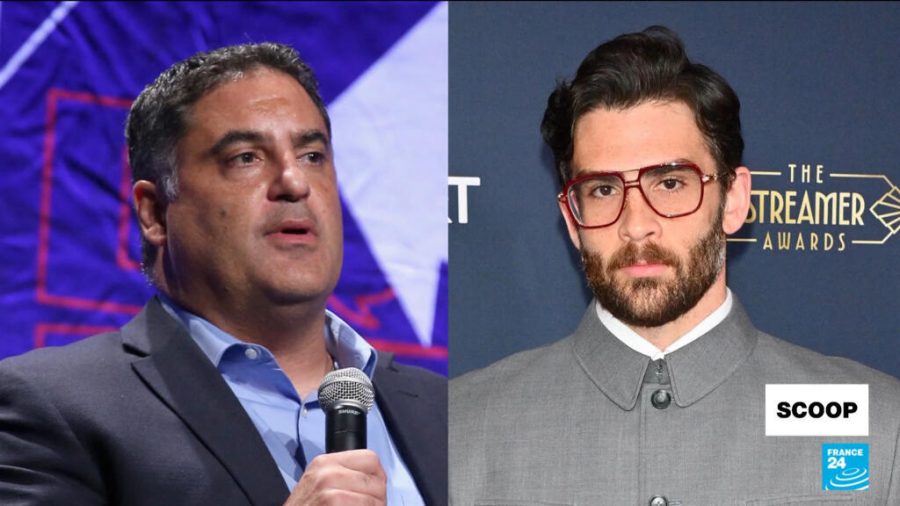
This week, the United Kingdom has made headlines by denying entry to two high-profile left-wing commentators: Hasan Piker and Cenk Uygur. The decision, announced by the British interior minister, has sparked debates about free speech, censorship, and the implications of such bans on public discourse.
Reason Behind the Ban
The interior minister stated that the presence of Piker and Uygur was “not conducive to the public good.” This vague criterion raises questions about the actual motivations behind the ban and how the government defines what is beneficial for the public. Critics argue that such a broad standard can be misused to silence dissenting voices and limit the diversity of viewpoints available to the public.
The Commentators in Question
Hasan Piker, a well-known Twitch streamer and political commentator, has garnered a substantial following for his progressive views and critiques of capitalism and U.S. foreign policy. Cenk Uygur, co-founder of the Young Turks, is another prominent figure in the realm of online progressive commentary, known for his outspoken stances on various social and political issues. Both individuals have been vocal about their opinions, which often challenge the status quo, making them controversial figures in the political landscape.
Impact on Free Speech
The decision to prevent Piker and Uygur from entering the UK has reignited discussions about free speech and the limits of acceptable discourse in society. Critics of the ban argue that it sets a dangerous precedent for how governments can control narratives and suppress voices that challenge mainstream ideologies. In an era where social media amplifies diverse perspectives, the exclusion of such commentators raises concerns about censorship and the potential chilling effect on public debate.
Expert Insights
To gain further insight into this issue, FRANCE 24’s media show Scoop invited Jemimah Steinfeld, CEO of Index on Censorship, to discuss the implications of such bans. Steinfeld emphasized that the decision reflects a growing trend where governments use vague criteria to exclude individuals who do not align with their political views. “When countries start banning individuals based on their opinions, it signals a troubling shift away from open dialogue and free expression,” she stated.
Similar Cases and Global Trends
This ban is not an isolated incident. There have been several cases globally where governments have restricted entry to foreign commentators and activists based on their political beliefs. Such actions often spark international criticism and raise alarms about the state of democracy and free speech in those nations. The UK’s decision to ban Piker and Uygur may be seen as part of a larger trend of increasing censorship under the guise of protecting public order.
Public Reaction
The public response to the ban has been mixed. Supporters of the government argue that it is necessary to maintain social harmony and prevent the spread of divisive rhetoric. On the other hand, many advocates for free speech are expressing outrage, viewing the ban as an infringement on individual rights and an impediment to open discourse. Social media platforms have erupted with discussions about the implications of this decision, highlighting the divides in public opinion.
The Future of Public Discourse in the UK
As the UK grapples with its identity and values in an increasingly polarized world, the decision to ban figures like Piker and Uygur raises important questions about the future of public discourse. Will the government continue to use vague criteria to silence dissenting voices, or will it choose to embrace a more open and inclusive dialogue? The answers to these questions will significantly shape the political landscape in the UK and beyond.
Conclusion
In conclusion, Britain’s ban on Hasan Piker and Cenk Uygur reflects a growing trend of censorship that threatens the foundations of free speech. As this debate unfolds, it is crucial for citizens and policymakers alike to engage in discussions about the importance of diverse perspectives and the value of open dialogue in a democratic society.