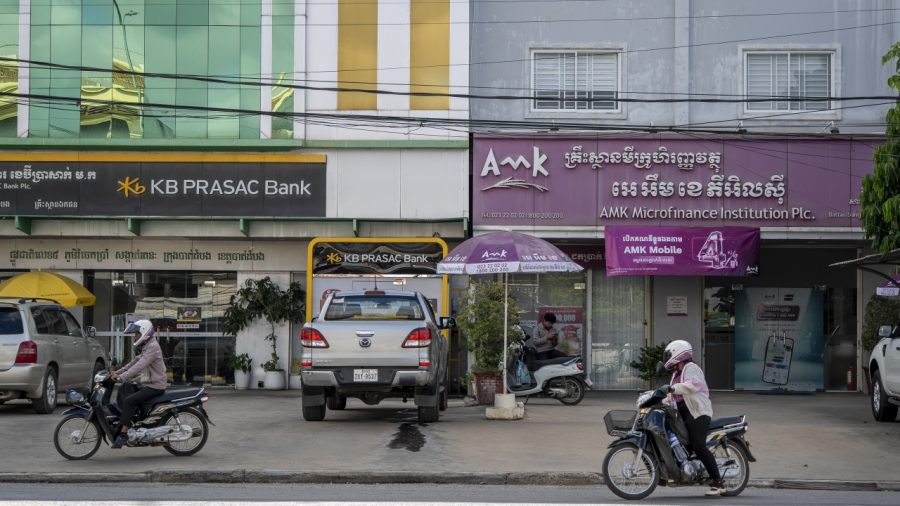
The Unraveling Promise of Microfinancing
Microfinancing was once hailed as a revolutionary approach to combating poverty, offering small loans to individuals in developing countries to help them establish businesses and improve their economic standing. However, recent reports from the Wall Street Journal (WSJ) reveal a troubling reality: for many borrowers, these tiny loans have not resulted in the prosperity they were promised.
Understanding the Microfinance Model
Microfinancing emerged in the late 20th century as a method to empower the poor, particularly women, by providing them with access to credit. Institutions like Grameen Bank in Bangladesh became beacons of hope, demonstrating how small loans could lead to entrepreneurial success and economic growth. This model was based on the belief that even a small amount of capital could help individuals escape the cycle of poverty.
Discrepancy Between Expectations and Reality
Despite initial successes and widespread adoption, the WSJ’s investigation highlights a significant gap between expectations and reality for many microfinance borrowers. Here are four key takeaways:
- High Default Rates: Many borrowers struggle to repay their loans, leading to high default rates. This can result in a cycle of debt that traps individuals rather than liberating them.
- Limited Economic Improvement: The anticipated economic uplift has not materialized for a significant portion of borrowers. Instead of thriving businesses, many find themselves in precarious financial situations.
- Over-Indebtedness: The ease of obtaining multiple loans from different sources has led to over-indebtedness among borrowers. This often exacerbates their financial struggles instead of alleviating them.
- Questionable Practices: Some microfinance institutions have been criticized for predatory lending practices, charging exorbitant interest rates that further deepen borrowers’ financial woes.
A Critical Analysis of Microfinance
The WSJ’s findings raise critical questions about the efficacy and ethics of the microfinance model. While the concept was rooted in altruism, the execution has often led to unintended consequences. Many borrowers enter this system with hope, only to find themselves ensnared in a cycle of debt they cannot escape.
Alternative Solutions to Poverty Alleviation
As the shortcomings of microfinancing become increasingly apparent, experts advocate for alternative approaches to poverty alleviation. Strategies such as direct cash transfers, improved access to education, and robust social safety nets are gaining traction. These methods aim to provide sustainable support without the burdensome debt that microloans can impose.
Looking Ahead
While microfinance was once seen as a beacon of hope for the world’s poorest, the recent WSJ report underscores the need for a reevaluation of this strategy. As the landscape of poverty alleviation continues to evolve, it is imperative to learn from past mistakes and seek solutions that truly empower individuals rather than perpetuating cycles of debt.
In conclusion, the promise of microfinancing has not been fully realized for many, prompting a critical reassessment of its role in global economic development. As we move forward, it is crucial to prioritize the well-being and financial stability of borrowers, ensuring that their needs are met through ethical and effective means.