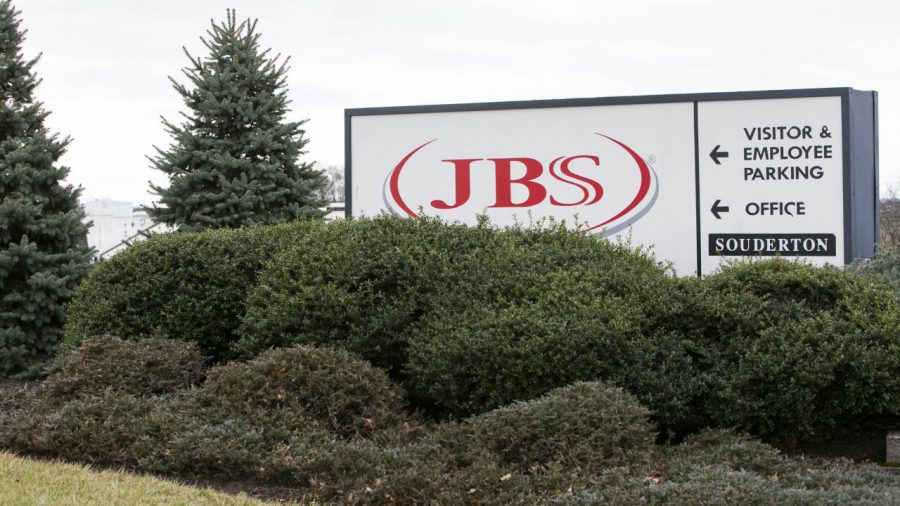
JBS to Close Beef Plant in Pennsylvania
The world’s largest meatpacking company, JBS, has announced plans to close its beef processing facility in Pennsylvania. This decision comes as the company grapples with a significant cattle shortage that is impacting the entire U.S. meatpacking industry.
Impact of Cattle Shortage on Meatpacking Industry
The closure of the Pennsylvania plant marks another chapter in the ongoing challenges facing meatpackers across the nation. Over the past year, a combination of drought conditions, rising feed costs, and supply chain disruptions have led to a decline in cattle availability. As a result, companies like JBS are forced to make tough decisions to adapt to the changing landscape.
Details of the Closure
JBS, which operates numerous facilities across the country, indicated that the Pennsylvania plant’s closure will affect many employees and local suppliers. The company has not yet provided a specific date for when the plant will cease operations, but the announcement has raised concerns about job losses and economic ramifications for the surrounding community.
Community Reaction
Local farmers and workers are expressing their dismay over the closure. Many have relied on the JBS plant for their livelihoods, and the loss of such a significant employer could have long-lasting effects on the local economy. “This plant has been a staple of our community for years, and its closure will leave a void that is difficult to fill,” said a local farmer who prefers to remain anonymous.
Broader Implications for the Beef Industry
The closure is not only a blow to local farmers and employees, but it also serves as a stark indicator of the broader trends affecting the beef industry in the United States. As cattle herds shrink, meatpackers are faced with increasing pressures to maintain production levels while dealing with a dwindling supply of livestock. This scenario may lead to higher beef prices for consumers as demand continues to outstrip supply.
The Future of JBS and the Meatpacking Sector
JBS has stated that it will continue to evaluate its operations and make adjustments as necessary to navigate the ongoing challenges. The company remains committed to its core mission of providing quality meat products while ensuring the sustainability of its supply chain. As the situation evolves, stakeholders across the industry are closely monitoring the impacts of these closures, with many hoping for a recovery in cattle numbers.
Conclusion
The closure of the JBS beef plant in Pennsylvania is a critical development in the ongoing saga of the U.S. meatpacking industry. As companies like JBS face the dual challenges of supply chain disruptions and cattle shortages, the consequences are felt not only in the boardrooms but also in communities across the nation. With the future of the industry hanging in the balance, all eyes will be on how meatpacking companies adapt and evolve in the coming years.