Ukraine’s Path to EU Membership Accelerates as Hungary Lifts Veto
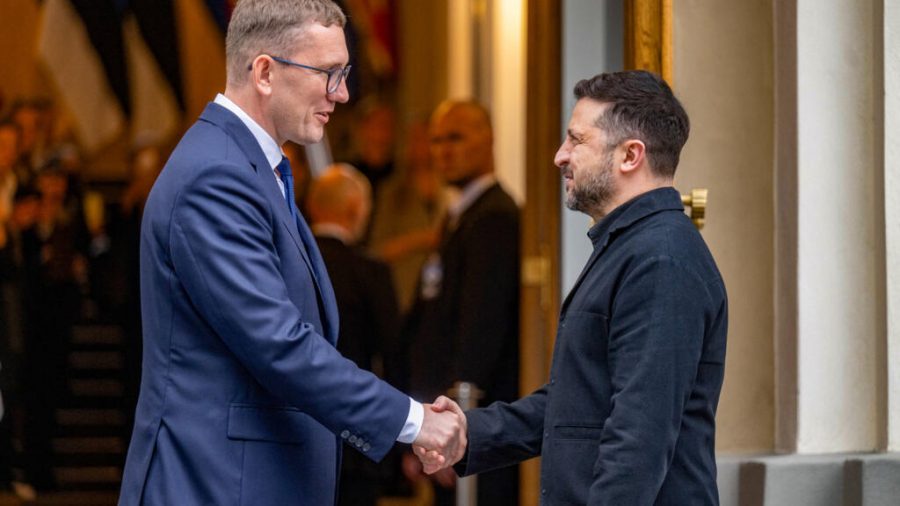
In a significant diplomatic shift, Hungary’s newly formed government has decided to lift its veto on Ukraine’s European Union accession bid. This pivotal decision paves the way for the resumption of membership negotiations, which will officially commence on Monday.
A New Era for EU-Ukraine Relations
The lifting of Hungary’s veto marks a critical moment in the European Union’s ongoing support for Ukraine, especially as the country grapples with the severe challenges posed by Russia’s war. EU leaders have unanimously agreed to open the first phase of accession talks with both Ukraine and Moldova, signaling a robust commitment to fostering democratic values and stability in Eastern Europe.
The Context of Hungary’s Decision
Hungary’s previous government under Viktor Orban had been a vocal opponent of Ukraine’s EU ambitions, often citing concerns over minority rights and geopolitical tensions. However, with Orban no longer in power, the new administration seems poised to take a more collaborative approach. This change not only reflects Hungary’s evolving political landscape but also aligns with the broader EU strategy to support member states and neighboring countries in their aspirations for integration.
Reaction from EU Leaders
Leaders across the EU expressed strong support for the resumption of negotiations. European Commission President Ursula von der Leyen stated, “The opening of these talks is a clear signal that the EU stands firmly with Ukraine in its pursuit of peace, stability, and unity with Europe.” The announcement has been welcomed in Kyiv, where officials have long viewed EU membership as a vital step toward securing their country’s sovereignty and territorial integrity.
Implications for Ukraine
As Ukraine prepares to enter the next stage of its EU accession process, the implications are far-reaching. Membership in the EU could provide Ukraine with essential economic support, access to a larger market, and a framework for political and social reforms. Moreover, it could enhance Ukraine’s security posture as it continues to defend itself against Russian aggression.
- Economic Benefits: EU membership is likely to unlock significant financial aid and investment, crucial for Ukraine’s post-war recovery.
- Political Reforms: The accession process will require Ukraine to implement various reforms, strengthening democratic institutions and the rule of law.
- Security Guarantees: Closer ties with the EU may lead to enhanced security cooperation and support against external threats.
Challenges Ahead
Despite this positive momentum, Ukraine faces numerous challenges on its path to EU membership. The ongoing conflict with Russia presents a continuous threat to stability, and the implementation of necessary reforms will require substantial political will and public support. Additionally, the EU itself must navigate its internal dynamics, balancing the interests of existing member states with the aspirations of potential new members.
The Road Forward
As negotiations resume, all eyes will be on how quickly and effectively Ukraine can align itself with EU standards and expectations. The commitment of the EU to support Ukraine during this critical juncture is crucial. With Hungary’s veto lifted, Ukraine’s bid for EU membership has gained renewed momentum, offering hope for a brighter future intertwined with European ideals of democracy, peace, and prosperity.