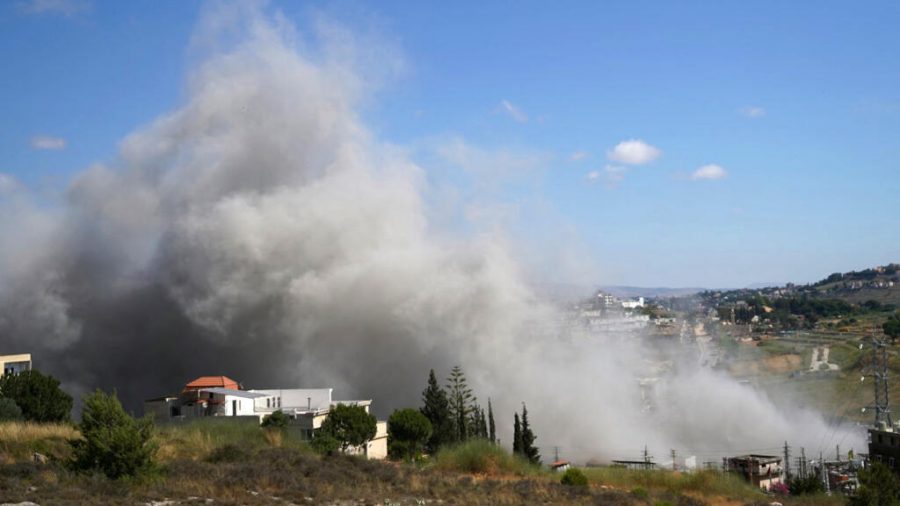
Escalating Tensions: Israeli Strikes in Lebanon Amid Evacuation Alerts
On Saturday, the Israeli army intensified its military operations in Lebanon, issuing urgent evacuation warnings for the southern city of Nabatieh and over 20 other locations across the nation. This latest wave of airstrikes comes at a time when diplomatic efforts are reportedly underway to bring an end to the ongoing Middle East conflict, with both the United States and Iran suggesting they are nearing a potential agreement that could also influence the situation in Lebanon.
Military Operations and Evacuations
The Israeli Defense Forces (IDF) announced the evacuation advisories in response to heightened security concerns, as artillery strikes were reported in southern and eastern Lebanon. These military actions have prompted fears among civilians, leading to widespread panic and uncertainty.
- The city of Nabatieh, a significant urban center in southern Lebanon, has been particularly affected.
- Evacuation warnings have extended to areas known for their proximity to Hezbollah strongholds.
- Residents are urged to seek shelter and prepare for potential displacement as the situation unfolds.
International Diplomatic Efforts
The timing of these military operations coincides with emerging diplomatic discussions involving key players in the region. The US and Iran, despite their historical tensions, are reportedly close to negotiating a deal aimed at stabilizing the Middle East. This potential agreement is expected to address various regional conflicts, including the ongoing violence in Lebanon.
Experts suggest that the Israeli strikes may be a preemptive move to undermine any potential gains that Hezbollah could secure from a broader peace agreement. The ongoing conflict poses significant challenges not only for Lebanon but also for the stability of the entire region.
The Humanitarian Impact
The escalation of military actions raises serious humanitarian concerns. Over the past few weeks, the situation in Lebanon has become increasingly dire, with reports of casualties and damage to civilian infrastructure. Local NGOs and international organizations are calling for immediate assistance to support those affected by the conflict.
- Many families are facing displacement, with limited access to basic necessities such as food and clean water.
- Health facilities are overwhelmed, struggling to provide care for the injured.
- International humanitarian organizations are mobilizing to deliver aid, but access remains complicated due to ongoing hostilities.
Public Response and Future Outlook
The Lebanese public is reacting with anxiety and frustration as military tensions rise. Many citizens express a sense of helplessness amid the turmoil, feeling caught in the crossfire of international politics. The government has called for calm, urging citizens to remain vigilant and evacuate when necessary.
As the situation develops, the international community is watching closely. The potential for a diplomatic resolution involving the US, Iran, and other stakeholders could reshape the future of Lebanon and the broader Middle East. However, the immediate threat of violence looms large, and the humanitarian crisis continues to escalate.
In conclusion, as Israeli strikes in Lebanon prompt widespread evacuation warnings, the world holds its breath, hoping for a peaceful resolution to a conflict that has caused immense suffering and instability. The coming days and weeks will be critical in determining the fate of Lebanon and its people as they navigate through this turbulent period.