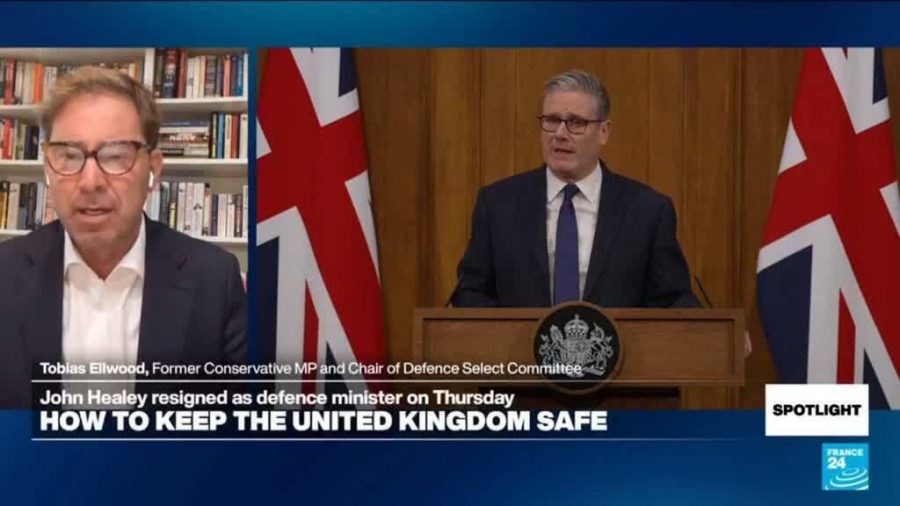
UK Defence Spending Under Fire as Former Minister Warns of Increased Risks
As geopolitical tensions escalate, the United Kingdom’s defence spending is under intense scrutiny following the resignation of key ministers. Former Defence Secretary John Healey’s departure has raised alarms over the nation’s preparedness against potential threats, particularly from Russia.
Leadership in Question: A Call for Increased Defence Funding
When British Prime Minister Keir Starmer took office, he emphasized that the foremost duty of a leader is to ensure the safety of the nation. However, Healey’s resignation letter painted a stark picture, claiming that Starmer’s government was failing to allocate the necessary financial resources to protect the UK from the looming threat of a Russian incursion.
“The country is less safe under your leadership,” Healey stated, highlighting a growing concern among military leaders and analysts alike. His resignation was not an isolated incident; it was echoed by the resignation of Al Cairns, another defence minister, both citing the long-delayed British Defence Plan as a significant concern.
Unveiling the Defence Plan: A Matter of Urgency
Despite the pressing need for a robust defence strategy, the British Defence Plan remains shrouded in secrecy, with no public disclosure forthcoming. This lack of transparency has sparked criticism not only from within the Labour Party but also from military experts and opposition figures.
- Tobias Ellwood, a former Conservative MP and chair of the Defence Select Committee, expressed serious concerns, stating, “Putin will be watching this carefully.”
- Ellwood’s remarks underscore the heightened vigilance required in the face of Russian aggression, particularly in light of recent global events.
- He further emphasized that a clear and actionable defence strategy is imperative to deter potential threats.
The Broader Context: Geopolitical Tensions and Defence Preparedness
The current geopolitical landscape is fraught with challenges, and the UK’s ability to respond effectively to these threats is under heightened examination. The situation in Ukraine has illustrated the need for countries to reassess their military capabilities and readiness.
In recent years, the UK has made commitments to increase its defence budget, but critics argue that these promises have not translated into actionable plans. As the threat from Russia looms larger, the implications of inadequate defence spending could be severe, not just for the UK but for its allies as well.
Government Response: Navigating the Future of Defence
In light of these resignations and the growing chorus of criticism, the government faces mounting pressure to clarify its stance on defence spending. Starmer and his administration must address the concerns raised by former ministers and clearly communicate their strategy moving forward.
The stakes are high, and as the world watches, the UK must ensure that its defence policies reflect a commitment to national security. The coming weeks will be critical as the government attempts to regain confidence among its ranks and the public regarding its defence strategy.
Conclusion: A Crucial Time for UK Defence
The recent resignations within the Defence Ministry signal a pivotal moment for UK defence policy. With external threats on the rise, the government must act decisively to bolster its military capabilities and reassure both the public and its allies of its commitment to national security. The eyes of the world, particularly those of adversaries like Russia, are keenly focused on the UK’s next moves.