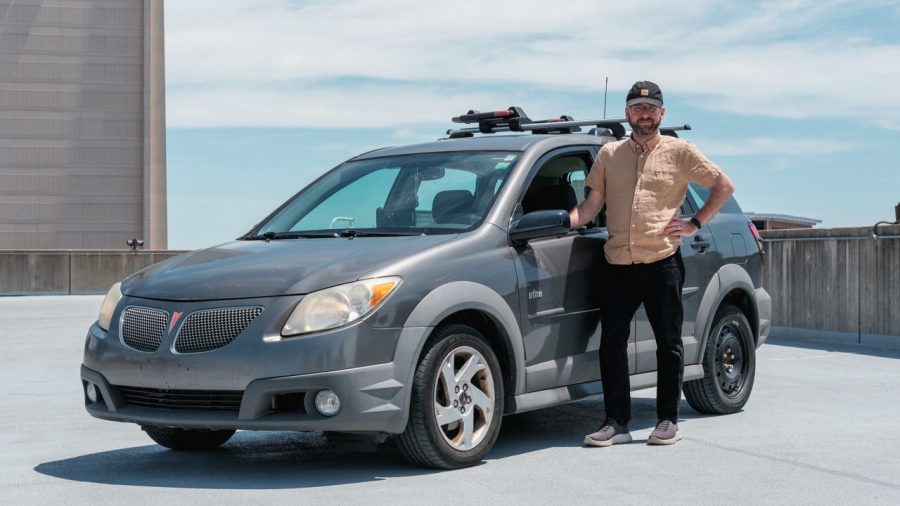
Why I Will Drive My 2005 Pontiac Vibe Into the Ground
In a world where consumerism often dictates our choices, many Americans are bucking the trend by clinging to their older vehicles. Ryan Felton, an ardent supporter of sustainability and longevity, exemplifies this growing movement with his beloved 2005 Pontiac Vibe.
The Rise of Old Cars
As economic uncertainties loom and new car prices soar, more drivers are choosing to keep their aging vehicles on the road. According to recent studies, the average age of a vehicle on the road in the United States has reached a staggering 12.1 years. This statistic reflects a significant shift in consumer behavior, where practicality and reliability take precedence over the allure of new models.
Ryan’s Pontiac Vibe: A Personal Journey
Ryan Felton’s Pontiac Vibe is not just a car; it’s a testament to durability and personal history. The hatchback, a collaboration between General Motors and Toyota, has been with him through countless moments—road trips, daily commutes, and even the occasional mishap. “I just can’t bring myself to let it go,” Ryan admits. “It’s like a member of the family.”
Embracing Sustainability
In an age where environmental concerns are at the forefront, driving an older vehicle can also be seen as a sustainable choice. Keeping a car for an extended period reduces waste and minimizes the carbon footprint associated with manufacturing new vehicles. Ryan is a firm believer in this philosophy, stating, “Every mile I drive my Vibe is a mile not driven by a car that was just made. I’m doing my part to reduce waste, and it feels good.”
The Financial Argument
Financially, retaining an older vehicle can be a sound decision. With new cars often exceeding $30,000, many consumers are opting to maintain their current vehicles, which require fewer payments and lower insurance premiums. “I’ve saved a ton of money by keeping my Vibe,” Ryan explains. “It’s been reliable, and I know what to expect with it. Plus, the cost of repairs is much lower than the monthly payments on a new car.”
Challenges of Aging Cars
While there are benefits to holding onto older vehicles, there are also challenges that come with it. As cars age, they may require more frequent repairs and maintenance. Ryan acknowledges this struggle: “There have been times when I’ve had to put money into my Vibe, but it’s always been worth it in the end. I trust it, and I know it inside and out.”
Community and Connection
Ryan’s attachment to his car goes beyond mere functionality. His Vibe has become a conversation starter and a symbol of community among other enthusiasts who share similar sentiments. Online forums and local meet-ups celebrate the longevity of vehicles like Ryan’s, where owners share tips, tricks, and stories about their cherished rides. “It’s amazing how many people relate to this experience,” he notes. “It creates a bond with complete strangers who appreciate the same values I do.”
The Future of Driving
As the automotive industry shifts towards electric and autonomous vehicles, the future remains uncertain for traditional combustion engines. However, for Ryan and many like him, the journey with their trusty older vehicles is far from over. “I hope to drive my Vibe until it literally can’t go anymore,” Ryan declares with determination. “It’s more than just a car; it’s part of my life story.”
Conclusion
As Americans continue to hold onto their old cars longer than ever, Ryan Felton’s journey with his 2005 Pontiac Vibe illustrates the deeper connections people have with their vehicles. Whether for financial reasons, sustainability, or sentimental value, the old car movement is gaining momentum, reminding us that sometimes, the best things in life are the ones we’ve had for a while.