UK Forces Conduct Groundbreaking Operation Against Russian Shadow Fleet
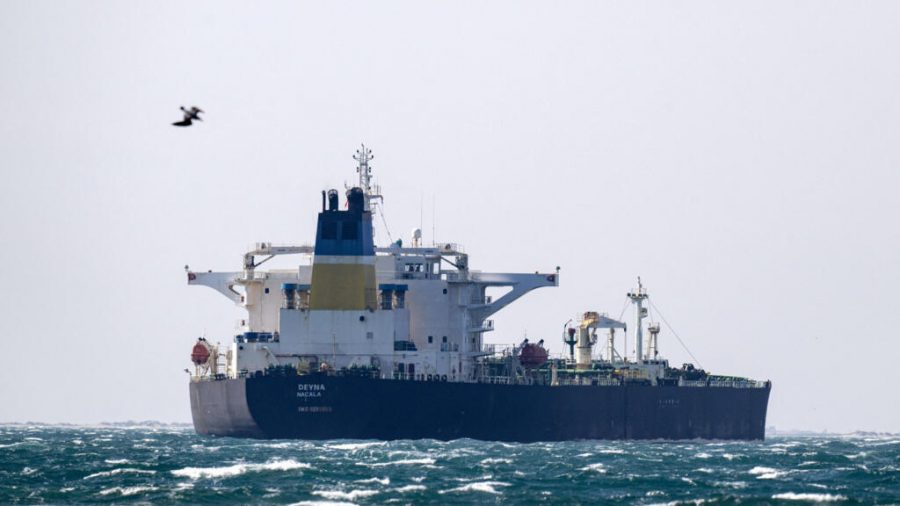
In a bold move signaling its commitment to enforcing sanctions against Russia, British forces successfully intercepted an oil tanker in the English Channel on Sunday. This vessel, believed to be part of Russia’s so-called “shadow fleet,” marks a significant development in the UK’s maritime defense operations.
Setting a Precedent in Maritime Security
The operation, described by the UK’s defense ministry as the “first UK-led operation of its kind,” highlights the increasing tensions surrounding maritime activities linked to Russia amid ongoing geopolitical conflicts. The intercepted tanker, which was under UK sanctions, is believed to be part of a broader network of vessels attempting to evade international restrictions on Russian oil exports.
Understanding the Shadow Fleet
Since the onset of the conflict in Ukraine, Russia has reportedly utilized a clandestine fleet of oil tankers to transport its crude oil, circumventing Western sanctions that have been imposed to undermine its economy. This so-called “shadow fleet” consists of vessels that change their names, flags, and ownership to evade detection and enforcement actions by Western nations.
- Strengthened Enforcement: The interception underscores the UK’s proactive approach in enforcing sanctions against Russia.
- International Implications: The operation could inspire similar actions by allied nations, reinforcing a united front against Russian aggression.
- Economic Impact: Disrupting the shadow fleet is intended to weaken Russia’s financial resources, particularly in the oil sector.
The Interception: Details and Implications
The British Royal Navy, in coordination with intelligence agencies, executed the interception with precision, ensuring minimal disruption to commercial shipping in the busy English Channel. According to sources, the tanker was carrying a significant quantity of oil, which was likely intended for markets that are still purchasing Russian crude.
During the operation, the crew of the tanker was taken into custody for questioning, while the vessel itself was escorted to a secure location for further investigation. The UK government has stated that this operation exemplifies its commitment to upholding international law and the rules-based order on the seas.
Reactions from the International Community
The interception has drawn mixed reactions from global leaders. While many Western nations have applauded the UK’s decisive action, some countries have expressed concerns about the potential escalation of maritime tensions. Critics argue that such operations could provoke retaliatory measures from Russia, further complicating an already volatile situation.
Experts believe this operation may signify a turning point in the enforcement of maritime sanctions against Russia. By taking a stand in the English Channel, the UK is not only addressing immediate concerns but also setting a precedent for future operations aimed at disrupting the shadow fleet.
Future of Maritime Operations Against Russia
As the geopolitical landscape evolves, the UK’s recent interception may pave the way for more extensive international cooperation in countering illicit maritime activities linked to Russia. The success of this operation could encourage other nations to adopt similar strategies, reinforcing the notion that the international community is united in its stance against sanctions evasion.
In conclusion, the interception of the Russian oil tanker in the English Channel represents a significant milestone in maritime security operations. It underscores the UK’s commitment to enforcing sanctions and maintaining order in international waters, all while navigating the complexities of global diplomacy.