G7 Leaders Gather in Evian to Address Critical Middle East Issues
In a pivotal moment for international diplomacy, leaders from the Group of Seven (G7) nations are set to convene in Evian, France, on Monday to deliberate on crucial matters concerning the Middle East. This meeting comes on the heels of a significant US-Iranian memorandum of understanding, which is scheduled to be signed in Geneva on Friday.
Key Agenda: Hormuz Strait and Regional Stability
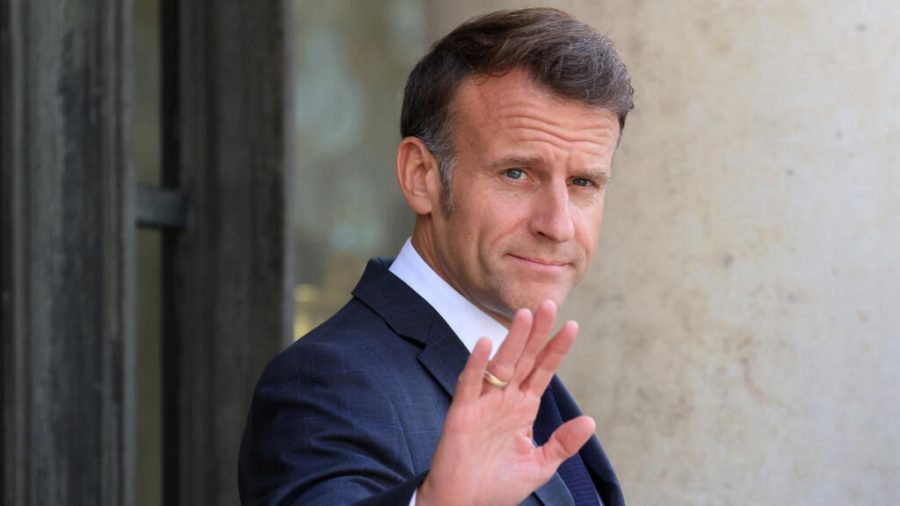
French President Emmanuel Macron has outlined the primary objectives of the upcoming G7 summit. Among the pressing topics for discussion will be the implications of the US-Iran agreement, the support for Lebanon amidst ongoing crises, and most notably, the long-term reopening of the strategically vital Strait of Hormuz.
The Strait of Hormuz, a narrow passageway that connects the Persian Gulf to the Arabian Sea, is a critical conduit for global oil shipments, with approximately 20% of the world’s petroleum passing through this narrow waterway. Any disruption in this passage can have dire consequences for global energy markets and economic stability.
US-Iran Relations: A Potential Turning Point
The anticipated memorandum of understanding between the United States and Iran marks a significant step towards thawing relations that have been strained for years, especially following the US withdrawal from the nuclear deal in 2018. The agreement aims to address not only nuclear proliferation concerns but also Iran’s ballistic missile programs, which have been a point of contention in international diplomacy.
- Diplomatic Engagement: The G7 leaders will assess how the US-Iran agreement could reshape diplomatic engagements in the region.
- Support for Lebanon: The summit will also focus on Lebanon, which is grappling with an economic and political crisis exacerbated by regional instability.
- Energy Security: The reopening of the Strait of Hormuz is expected to be a key topic, as leaders evaluate strategies to ensure the security of energy supplies.
The Broader Implications for Global Politics
As the G7 leaders prepare for their discussions, the broader implications of their decisions will resonate beyond the immediate geopolitical landscape. The potential reopening of the Hormuz Strait could lead to a more stable energy market, while a successful US-Iran agreement might pave the way for a new era of diplomacy in a historically volatile region.
The outcomes of this summit could set the tone for future international relations in the Middle East and beyond. Observers are keenly watching as the G7 leaders engage in dialogue that has the potential to reshape not only regional alliances but also global economic dynamics.
Conclusion: A Time for Action
With the world’s eyes on Evian, the G7 summit presents a crucial opportunity for leaders to adopt a proactive approach in addressing the multifaceted challenges facing the Middle East. The decisions made here could either foster a pathway to peace or exacerbate existing tensions, making it imperative that leaders engage in constructive dialogue and seek collaborative solutions.