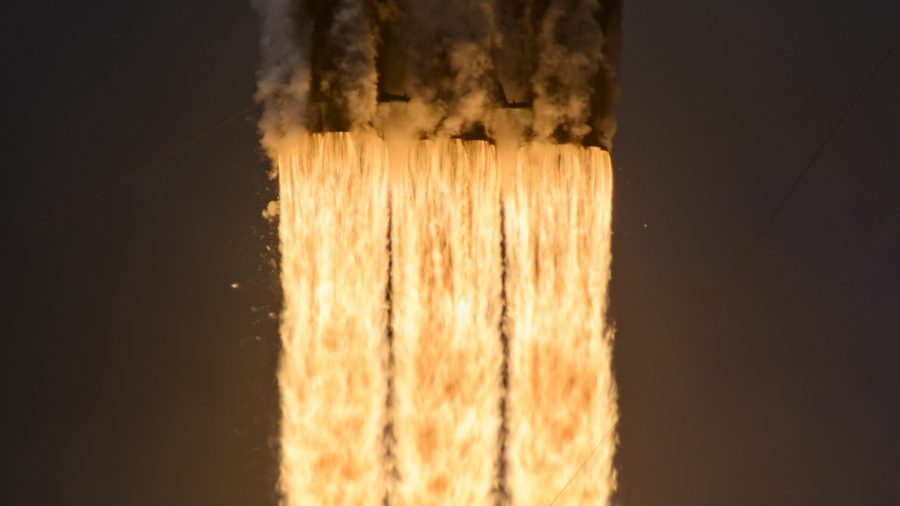
Investors Are Piling Into All Things Space
In recent years, the space industry has experienced a remarkable transformation, driven by innovations and significant advancements brought forth by companies like SpaceX. With the appetite for space exploration and technology growing, investors are increasingly looking to capitalize on this burgeoning sector, funding a range of initiatives from satellite technology to in-space mobility.
The SpaceX Effect
SpaceX, founded by Elon Musk, has been a disruptive force in the aerospace industry, demonstrating that space travel can be more accessible and cost-effective than previously thought. With successful missions, including the launch of astronauts to the International Space Station, SpaceX has not only captured public interest but has also inspired a wave of investment in various facets of the space economy.
Emerging Technologies in Space
As the industry expands, a variety of technologies are gaining traction. Two-ton satellites are becoming more commonplace, enabling advanced communications and data collection. These satellites are pivotal for applications ranging from global internet coverage to earth monitoring for climate change research. Furthermore, innovations in laser communication technology are revolutionizing how data is transmitted between satellites and ground stations, providing faster and more reliable connections.
In-Space Mobility and Beyond
Another exciting development in the space sector is the emergence of in-space mobility ships. These vehicles are designed to transport cargo and potentially even humans between different celestial bodies, paving the way for future exploration missions to the Moon, Mars, and beyond. Companies dedicated to developing these mobility solutions are attracting significant investment, as they promise to enhance our capabilities in space travel.
Investment Trends and Opportunities
According to recent reports, investment in space technologies has surged, with venture capital flowing into startups focusing on satellite technology, launch services, and space logistics. Here are some key trends driving this investment boom:
- Government Contracts: Many startups are securing contracts with government agencies, including NASA, which has increased funding for commercial space initiatives.
- Public Interest: The excitement surrounding space exploration missions, such as the Artemis program, has generated public enthusiasm and support, encouraging private investment.
- Technological Advancements: Innovations in rocket technology and materials science are reducing the cost of launching payloads into space, making it more financially viable for new companies to enter the market.
As more investors recognize the potential of the space industry, the landscape is shifting. Traditional aerospace companies are facing competition from tech-focused startups, and the barriers to entry continue to lower. This democratization of spaceflight is not only fostering innovation but also creating a diverse ecosystem of companies and services.
Challenges Ahead
Despite the optimism surrounding space investments, challenges remain. Regulatory hurdles, high capital requirements, and the need for sustainable practices in space exploration must be addressed. Additionally, as the number of satellites increases, concerns about space debris and its impact on future missions have emerged as critical issues that need to be managed.
The Future of Space Investment
Looking ahead, the future of space investment appears bright. As technologies continue to evolve and the commercial space market expands, opportunities for growth are boundless. Investors eager to get in on the action will need to stay informed and agile, adapting to the rapidly changing dynamics of this exciting industry.
In conclusion, the space industry is experiencing a renaissance, driven by innovation and investment. With pioneers like SpaceX leading the charge, the potential for new ventures and technological breakthroughs is limitless, making this an exciting time for both investors and space enthusiasts alike.