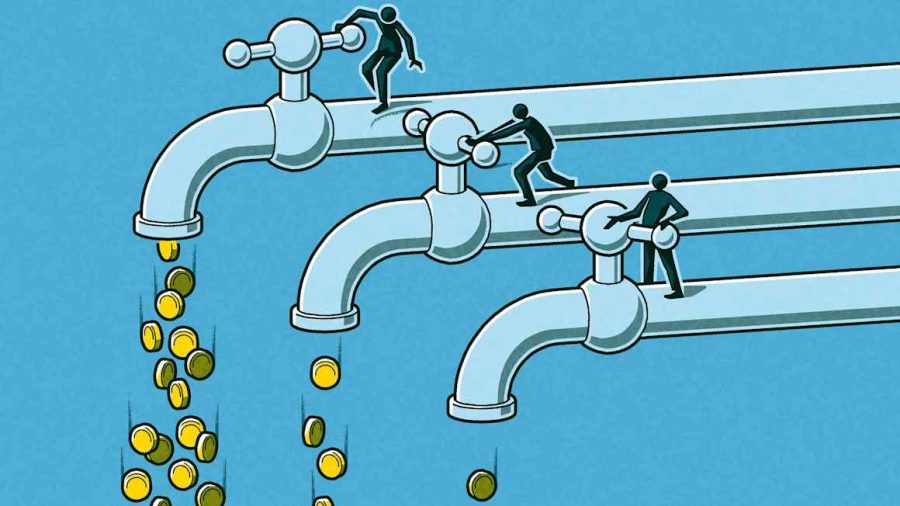
The Populist Argument for Monetary Tightening
In the wake of unprecedented economic policies aimed at stimulating growth, a growing chorus of voices is advocating for a shift in the Federal Reserve’s approach to monetary policy. Kevin Warsh, a former Fed governor, is positioning himself at the forefront of this movement, arguing that the time has come to end the era of easy money.
The Historical Context of Easy Money
Since the 2008 financial crisis, the Federal Reserve has employed a strategy of low interest rates and quantitative easing to bolster the economy. While these measures were initially necessary to prevent a complete collapse, critics argue that such policies have led to an unsustainable economic environment characterized by asset bubbles and income inequality.
Warsh’s Vision for the Fed
As Warsh steps into a more prominent role at the Fed, he is advocating for a rate hike as his first major action. He contends that increasing interest rates would not only stabilize the economy but also restore trust in the central bank’s commitment to sound fiscal policy. “The Fed’s independence and credibility are on the line,” Warsh has stated, emphasizing the need for a return to traditional monetary policy practices.
Understanding the Populist Appeal
For many, the struggle with rising living costs and stagnant wages makes the Fed’s current policies seem disconnected from the realities faced by average Americans. The populist case for tightening monetary policy hinges on the belief that higher interest rates would ultimately lead to a healthier economy. Here are several key arguments:
- Targeting Inflation: With inflation rates creeping up, a rate hike could help curb rising prices, making essential goods and services more affordable for everyday citizens.
- Promoting Savings: Higher interest rates would encourage savings among consumers, leading to greater financial stability and less reliance on credit.
- Stabilizing Asset Prices: By addressing the inflation that has led to inflated asset prices, a rate hike could prevent a future financial crisis stemming from unsustainable market conditions.
- Restoring Trust: A decisive move towards tighter monetary policy would signal to the public that the Fed is serious about its mandate to maintain stable prices and maximum employment.
The Challenges Ahead
Despite the compelling arguments for a rate hike, there are significant challenges that the Fed must navigate. Critics warn that raising rates too quickly could stifle economic growth and lead to job losses, disproportionately affecting low-income households. Moreover, the political ramifications of such a decision cannot be ignored, as any adverse economic impact could lead to public backlash against policymakers.
Conclusion: A Call to Action
As Kevin Warsh prepares to make his mark on the Federal Reserve, the populist case for ending easy money is gaining momentum. Advocates argue that a shift towards higher interest rates is not just a financial maneuver, but a moral imperative that seeks to address the economic disparities plaguing the nation. In the coming months, all eyes will be on the Fed to see if it will heed the call for change and prioritize the economic wellbeing of the average American over the interests of Wall Street.