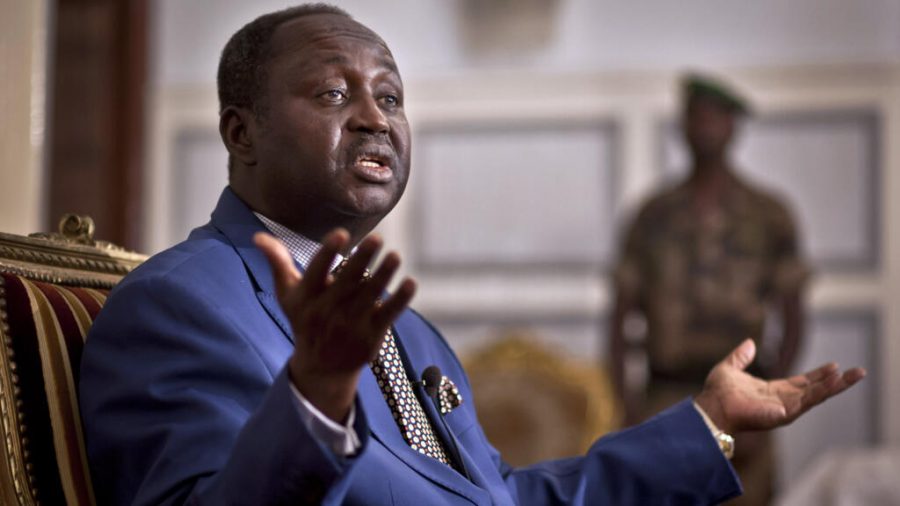
Trial of Former Central African Republic Leader Bozizé for War Crimes Begins
The long-awaited trial of former Central African Republic (CAR) president François Bozizé commenced on Tuesday, marking a significant moment in the nation’s quest for justice and accountability. Bozizé, who has been living in exile in Guinea-Bissau since March 2023, faces serious allegations of crimes against humanity, including murder and torture, stemming from his rule during a tumultuous period in CAR’s history.
A Historic Judicial Process
The proceedings are taking place at the UN-backed Special Criminal Court in the Central African Republic, a significant step toward addressing the widespread impunity that has plagued the country for years. The trial is notable for being conducted in absentia, as Bozizé has chosen not to return to CAR to face the charges. Instead, foreign judges will preside over the case, aiming to ensure a fair and impartial trial.
Background on François Bozizé
François Bozizé, now 79 years old, rose to power in CAR following a military coup in 2003, ousting then-president Ange-Félix Patassé. His presidency was marked by allegations of human rights violations and corruption. In 2013, Bozizé was overthrown by a coalition of rebel groups, leading to a protracted civil conflict that has devastated the nation.
Since his ousting, the Central African Republic has struggled with violence and instability, as various factions have vied for power amidst a backdrop of ethnic and religious tensions. The ongoing conflict has resulted in thousands of deaths and forced over a million people to flee their homes.
Charges Against Bozizé
Bozizé has been accused of a range of serious offenses, including:
- Murder: Allegations suggest that his regime was responsible for the killings of numerous civilians during his time in power.
- Torture: Reports indicate that Bozizé’s government employed torture as a method of oppression against dissenters.
- Crimes Against Humanity: The cumulative effect of his actions has been classified under international law as crimes against humanity.
International Implications
This trial is not only significant for the Central African Republic but also sends a strong message to leaders around the world regarding accountability for human rights abuses. The involvement of international judges highlights the global commitment to justice, particularly in regions afflicted by war and corruption.
What Lies Ahead
The trial’s outcome could set a precedent for future cases in CAR and beyond, reinforcing the notion that even former heads of state can be held accountable for their actions. As the proceedings unfold, many are watching closely to see how this historic moment will shape the future of justice in the Central African Republic.
Public Reaction
Reactions from the public within CAR and the international community have been mixed. Many citizens express hope that the trial will bring some measure of justice to victims and their families, while others remain skeptical about the effectiveness of the courts in addressing such high-profile cases.
As the trial progresses, it will likely spark discussions about the broader issues of governance, accountability, and reconciliation in a nation that has endured years of turmoil. The situation remains fluid, and the world watches closely as this chapter in CAR’s history unfolds.