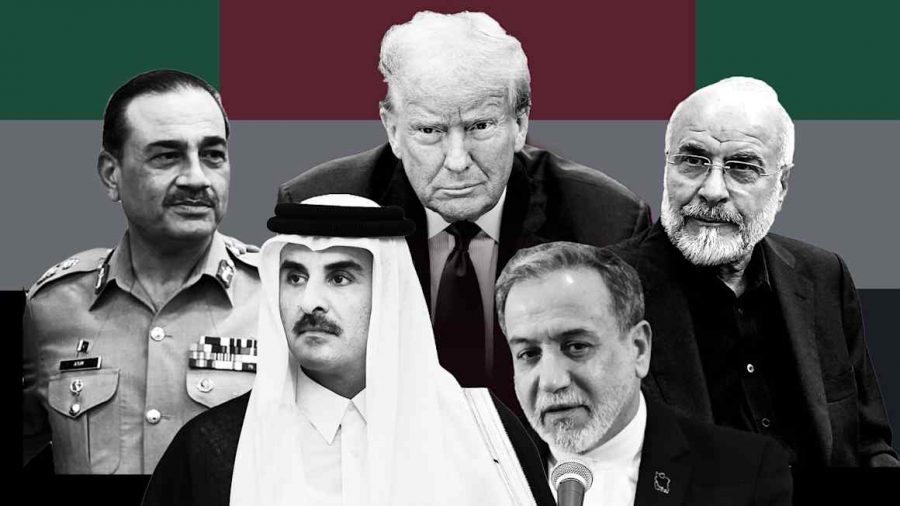
Bridging the Divide: The US-Iran Negotiation Journey
After almost fifty years of strained relations and hostility, a historic deal between the United States and Iran has emerged, promising a new chapter in their fraught interactions. Mediators engaged in extensive discussions to negotiate an agreement that could potentially reshape the geopolitical landscape of the Middle East.
The Road to Negotiation
The path to this landmark agreement has been long and complex. Following decades of mutual mistrust, the groundwork for negotiations began to take shape amid a shifting global landscape. With both nations recognizing the need for dialogue, mediators from various countries, including intermediaries from Europe and the Gulf states, played a crucial role in facilitating the discussions.
Key Players in the Mediation Process
The mediation process involved various stakeholders who brought different perspectives and interests to the table. Among the most notable were:
- European Union Representatives: The EU acted as a neutral ground for both parties, leveraging its diplomatic relationships to foster dialogue.
- Middle Eastern Allies: Nations like Qatar and Oman provided crucial back-channel communications, helping to ease tensions and build trust between the US and Iran.
- International Organizations: The United Nations and other international bodies emphasized the importance of a diplomatic resolution, advocating for peace over conflict.
The Framework of the Agreement
The deal, which includes several key components, aims to address the contentious issues that have historically defined US-Iran relations. Some of the highlights include:
- Nuclear Program Limitations: Iran agreed to limit its nuclear activities, ensuring transparency and compliance with international guidelines.
- Sanction Relief: In exchange for compliance, the US is set to lift some economic sanctions, aimed at revitalizing Iran’s economy.
- Regional Security Cooperation: Both nations will work together to address regional security concerns, particularly regarding the influence of extremist groups.
Challenges Ahead
Despite the promising nature of the agreement, significant challenges remain. Both sides must navigate domestic political pressures that could threaten the deal’s longevity. In the US, skepticism from hardline politicians and certain factions within Congress poses a potential roadblock. Meanwhile, in Iran, factions opposing engagement with the West may seek to undermine the agreement.
The Impact on Global Politics
The implications of this deal extend beyond the US and Iran. A successful agreement could serve as a model for resolving other long-standing conflicts in the region, potentially leading to more stable relations between Middle Eastern nations. Analysts suggest that a thaw in US-Iran relations may also influence global oil markets, trade dynamics, and alliances.
A New Era of Diplomacy?
As the world watches closely, the potential for a new era in US-Iran relations hangs in the balance. The success of this agreement will depend not only on the commitment of both nations to uphold their promises but also on the ability of mediators to maintain a constructive dialogue amidst ongoing regional tensions.
As mediators continue to work towards finalizing the details of the agreement, the hope for peace and stability in the Middle East remains a critical goal for all parties involved.