GM in Strategic Talks to Supply Defense Parts to Lockheed Martin
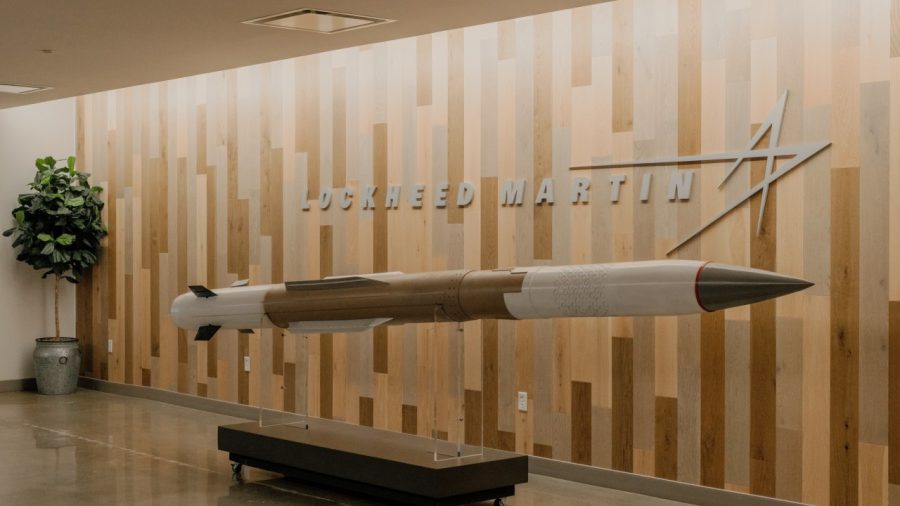
General Motors (GM), a titan in the automotive industry, is reportedly in discussions to supply crucial components for weaponry to defense giant Lockheed Martin. This move aligns with the growing urgency in the United States to replenish its munitions supplies amid ongoing global tensions.
GM’s Shift Towards Defense Manufacturing
As the conflict in various regions continues to escalate, the U.S. government is focusing on enhancing its military readiness and replenishing its arsenal. GM, known for its robust automotive production, is seeking to diversify its operations and expand its defense subsidiary, GM Defense, to tap into this burgeoning market.
In recent years, GM has made significant strides in its defense sector, developing innovative technologies and military vehicles. The potential partnership with Lockheed Martin could provide GM with a substantial foothold in the defense industry, allowing it to leverage its manufacturing capabilities to meet the increasing demand for defense-related products.
Replenishing Munitions Supplies
The U.S. military’s need to replenish its munitions supplies has become a pressing issue. With the ongoing conflicts in Ukraine and the Middle East, coupled with rising geopolitical tensions, the demand for advanced weaponry has surged. Lockheed Martin, a leader in aerospace and defense, is at the forefront of this initiative, working closely with the Pentagon to ensure that the armed forces are well-equipped to face any challenges.
As part of this initiative, Lockheed Martin is looking to streamline its supply chain and source components from reliable manufacturers. GM’s expertise in high-volume production and quality assurance makes it an attractive candidate for such a partnership.
Benefits of the Partnership
The collaboration between GM and Lockheed Martin could yield several benefits:
- Enhanced Production Capacity: GM’s extensive manufacturing facilities can help meet large-scale production needs.
- Innovative Technologies: GM has been investing in research and development, particularly in electric and autonomous vehicle technologies, which could be adapted for military applications.
- Job Creation: Expanding into the defense sector could lead to job creation in engineering, manufacturing, and logistics.
- National Security: By supporting defense capabilities, GM would play a crucial role in enhancing national security.
Challenges Ahead
Despite the potential benefits, the partnership is not without its challenges. Entering the defense sector requires navigating complex regulations and compliance issues. Additionally, GM must ensure that its existing automotive operations are not adversely affected by this shift in focus.
Furthermore, the defense industry has its own unique set of demands, including stringent quality control and delivery timelines. GM will need to adapt its production processes to meet these requirements while maintaining its reputation in the automotive market.
The Road Ahead
As discussions between GM and Lockheed Martin progress, the industry will be watching closely. If successful, this partnership could mark a significant shift for GM, positioning it as a key player in the defense sector while also contributing to the nation’s security efforts.
In conclusion, GM’s potential role in supplying weaponry components to Lockheed Martin highlights the automaker’s ambition to diversify its operations amid evolving global dynamics. As the U.S. continues to focus on strengthening its defense capabilities, collaborations like this may well define the future of both industries.