G7 Leaders Seek Solutions to Hormuz Oil Supply Challenges
As tensions in the Middle East continue to escalate, leaders at the G7 summit in Evian-les-Bains are actively exploring potential alternatives to the Strait of Hormuz, a crucial chokepoint for global oil shipments. With U.S. President Donald Trump asserting that the strait would be “completely open” by the end of the week, the urgency for viable alternatives has intensified. However, experts caution that the economic feasibility of such alternatives remains a significant hurdle.
Understanding the Strait of Hormuz’s Importance
Located between Iran and Oman, the Strait of Hormuz is a pivotal maritime corridor through which approximately 20% of the world’s oil supply passes. Any disruption to this passage can lead to significant fluctuations in global oil prices and impact economies worldwide.
The Economic Challenges of Alternative Routes
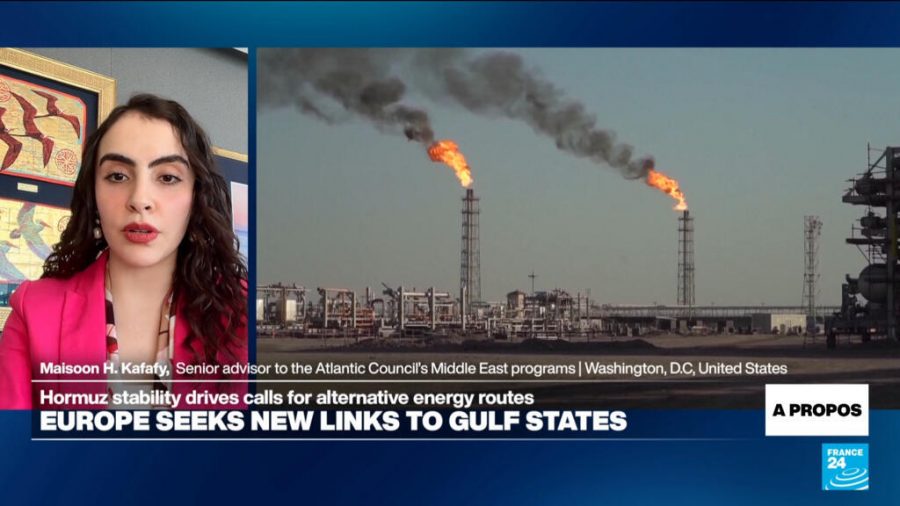
In an exclusive interview with FRANCE 24’s Sharon Gaffney, Maisoon H Kafafy, a Senior Advisor to the Atlantic Council’s Middle East programme, addressed the complexities surrounding potential alternative routes. Kafafy emphasized that previous attempts to develop alternative infrastructure have often faltered due to economic constraints. “In past instances of oil supply disruptions, the commercial viability of building alternative infrastructure was simply not there,” she explained.
Kafafy further elaborated on the financial implications, noting that “the economics of the upfront investment into these projects were perhaps too large to justify.” This sentiment resonates with many industry analysts who argue that while theoretical solutions exist, the practical execution often proves too costly or logistically challenging.
Potential Alternatives Under Consideration
Despite the challenges, several alternatives have been proposed to reduce dependency on the Strait of Hormuz:
- Pipeline Projects: Proposals for new pipeline routes that bypass the strait, such as the Trans-Arabian Pipeline, have been discussed, but many remain in the planning stages with uncertain investment commitments.
- Shipping Alternatives: Some shipping companies are exploring longer routes around Africa, known as the Cape route, although this significantly increases transit times and costs.
- Increased Domestic Production: Countries are also looking to boost domestic oil production to reduce reliance on imports that flow through the strait.
The Future of Oil Supply Routes
As the G7 leaders deliberate on these potential alternatives, the question remains: can any of these options realistically fulfill the demand for oil in a cost-effective manner? The previous hesitance to invest heavily in alternative routes underscores the complexity of global oil supply dynamics.
Moreover, geopolitical tensions in the region complicate matters further, as any project that involves multiple countries requires extensive negotiations and assurances of stability. The specter of political instability in the region raises additional concerns over the reliability of these alternative routes.
The Road Ahead
As discussions continue, the global community watches closely to see how the situation will unfold. With the potential for conflict lingering and the importance of the Strait of Hormuz remaining paramount, the ability to secure oil supplies without relying on this critical passageway is a pressing issue that demands innovative solutions.
In conclusion, while the G7 summit seeks to address the urgent need for alternative routes to the Strait of Hormuz, the economic realities present formidable challenges. As Maisoon H Kafafy aptly noted, the commercial viability of such infrastructure remains questionable, leaving the world to ponder the future of oil supply in an increasingly volatile geopolitical landscape.