Wave of Layoffs Hits Major Companies in 2026
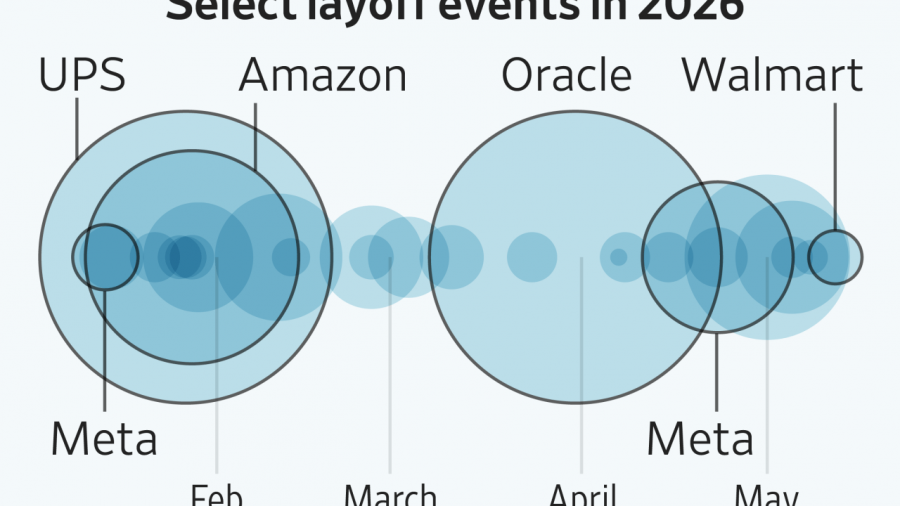
The year 2026 has brought a significant shift in the job market, particularly within the tech sector. With companies like Robinhood, Walmart, and Meta announcing substantial job cuts, the landscape of employment is changing drastically. This trend has seen layoffs surge by 66% compared to the previous year, signaling a potential reckoning influenced by the rapid advancement of artificial intelligence.
The Impact of AI on Employment
The integration of AI technologies has transformed various industries, leading to increased efficiency and productivity. However, this progress has also resulted in a challenging environment where companies are compelled to reassess their workforce needs. As automation takes on more tasks, many employees find themselves at risk of redundancy.
Key Companies Announcing Layoffs
Several notable companies have taken steps to reduce their headcounts in 2026:
- Robinhood: The trading platform has laid off a significant percentage of its workforce as it adjusts to a new economic reality where user engagement has waned.
- Walmart: As one of the largest retailers in the world, Walmart has announced job cuts in various departments, citing the need to streamline operations and enhance the customer experience amidst rising competition.
- Meta: Facebook’s parent company is undergoing a major restructuring, resulting in thousands of job losses as it pivots towards new technologies and platforms.
The Broader Economic Context
The surge in layoffs is not limited to the tech sector. Various industries are feeling the pressure as economic conditions fluctuate. High inflation rates and changing consumer behaviors are forcing companies to reevaluate their business models and staffing levels. While AI is a driving factor behind many of these layoffs, other elements such as supply chain disruptions and shifting market demands cannot be overlooked.
Reactions from Affected Employees
The emotional and financial toll of layoffs is profound. Many employees express feelings of uncertainty and anxiety as they navigate the job market. A former Meta employee shared, “It’s a tough time for everyone. Losing my job was unexpected, and now I have to compete with many others for limited opportunities.” This sentiment echoes across various sectors as workers grapple with the realities of an evolving job landscape.
Looking Ahead: The Future of Work
As we move further into 2026, the question remains: what does the future hold for workers in an increasingly automated world? Experts suggest that while some roles may become obsolete, new opportunities will emerge, especially in fields that require human creativity and emotional intelligence. Upskilling and reskilling will be crucial for those affected by these layoffs, as the demand for tech-savvy professionals continues to grow.
Conclusion
The wave of layoffs in 2026 serves as a stark reminder of the ongoing transformations within the job market. With major companies like Robinhood, Walmart, and Meta making significant cuts, it is clear that the impact of AI and economic shifts is reshaping the workforce landscape. As both employers and employees adapt to these changes, the focus will need to shift towards resilience and innovation in the face of uncertainty.