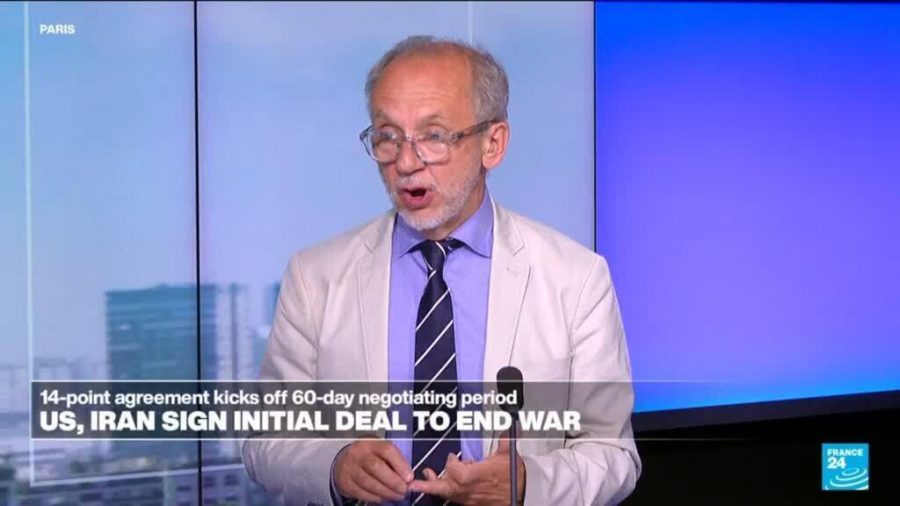
The US and Iran Strike a Historic Deal
In a significant turn of events, the United States and Iran have formalized an agreement that could reshape the geopolitical landscape of the Middle East. This agreement not only aims to cease hostilities but also initiates a 60-day period for further negotiations toward a comprehensive peace deal. While US President Donald Trump has heralded the accord as a monumental success for his administration, critics argue that it concedes too much to Tehran, raising concerns about the implications for regional stability.
A Step Towards Peace
The agreement marks a pivotal moment in the fraught history between the two nations, which have been at odds for decades. The conflict escalated in recent years, with tensions peaking over Iran’s nuclear program and its influence in the region. The new deal is seen by some analysts as a necessary step toward de-escalation, allowing for the potential withdrawal of sanctions that have crippled Iran’s economy.
As negotiations commence, both sides are expected to engage in discussions over critical issues, including nuclear capabilities, military presence in the region, and human rights concerns. The 60-day timeline is crucial, as it puts pressure on both parties to reach a final agreement that satisfies their respective domestic and international audiences.
Reactions from Key Players
Despite the optimism surrounding the agreement, reactions have been mixed. President Trump has expressed confidence in the deal, stating that it reinforces his administration’s commitment to national security while promoting peace. He emphasized the importance of diplomatic engagement over military confrontation.
However, critics within the U.S. and abroad have voiced concerns. Many lawmakers and foreign policy experts argue that the concessions made to Iran could embolden its regional ambitions and undermine U.S. allies in the Middle East, particularly Israel and Saudi Arabia. The deal has ignited a fierce debate over the balance between diplomacy and national security.
Domestic Implications
Back in the U.S., the agreement is likely to spark significant political discourse. With the 2024 presidential election on the horizon, candidates from both parties will need to address the implications of the deal on their platforms. Supporters of the agreement argue that it represents a long-overdue step towards peace and stability, while opponents fear it could repeat the mistakes of past negotiations with hostile regimes.
Global Perspectives
Internationally, the agreement has drawn attention from major powers, including European nations and Russia. Many view it as a test case for future diplomatic efforts in resolving conflicts through negotiation rather than military action. The potential for a more stable Middle East could have far-reaching effects on global oil markets, security alliances, and counterterrorism efforts.
Looking Ahead
As the clock starts ticking on this 60-day negotiation period, the world watches closely. Both the U.S. and Iran must navigate complex domestic and international pressures to reach a final agreement that could redefine their relationship and the broader dynamics of the Middle East.
- Key Takeaways:
- The U.S. and Iran have signed a preliminary agreement aimed at peace.
- Critics warn of potential concessions that may empower Iran further.
- The outcome could significantly impact U.S. foreign policy and regional stability.
- International reaction highlights the global importance of the deal.
In conclusion, while the agreement between the U.S. and Iran is being hailed as a diplomatic victory, the path ahead is fraught with challenges that will require careful navigation. The coming weeks will be critical in determining whether this initial success can lead to a lasting peace or if it will unravel under the weight of competing interests and historical grievances.