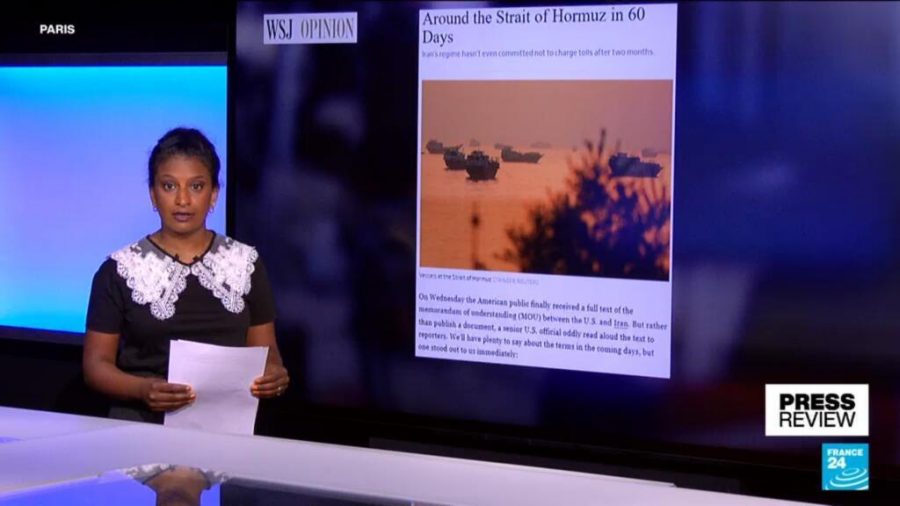
US and Israel’s Diminished Standing in Light of Iran Deal
The recent nuclear agreement between the United States and Iran has sparked fierce debate, with some dubbing it a “catastrophic capitulation” for the U.S. and Israel. As President Trump heralds the deal as a significant victory, many analysts and media outlets are painting a different picture, highlighting how Iran’s strategic positioning in the Strait of Hormuz has led to a shift in regional dynamics that undermines U.S. influence.
Iran’s Geopolitical Leverage
Following the signing of the deal, Iran has been quick to reassert its dominance over the Strait of Hormuz, a vital maritime route through which a significant portion of the world’s oil supply passes. This has resulted in a new status quo that many believe places Iran in a position of power, while the U.S. and Israel are left scrambling to regain their footing.
Israeli Concerns
In Israel, the reaction to the deal has been overwhelmingly negative. Editorials in leading Israeli newspapers emphasize the potential dangers posed by a more emboldened Iran, particularly regarding its nuclear ambitions and its support for militant groups in the region. Critics argue that the U.S. has effectively handed Iran a pathway to legitimacy on the global stage, undermining Israeli security.
Domestic Reactions in the U.S.
While President Trump and his administration tout the agreement as a diplomatic triumph, many in Congress and among the general public are skeptical. Some lawmakers express concern that the deal fails to address Iran’s broader regional activities, including its alleged sponsorship of terrorism and its destabilizing role in Syria and Yemen.
The European Angle
As the U.S. grapples with the repercussions of the Iran deal, European leaders are busy crafting their responses, particularly in the realm of trade. With growing concerns over China’s rising economic influence, EU officials are racing to implement measures that would safeguard their interests without provoking an all-out trade war with Beijing. The balancing act is delicate, as European economies are closely tied to both the U.S. and China.
Trade Tensions with China
- Market Dependency: The EU’s reliance on China for goods and services complicates its stance.
- Strategic Alliances: EU leaders are exploring partnerships with other nations to counterbalance China’s influence.
- Regulatory Measures: Proposed regulations aim to create a fairer trading environment.
Unrelated Heatwave in Europe
Amid geopolitical unrest, Europe is also contending with extreme weather conditions. A heatwave is sweeping across the continent, prompting French resort towns to implement strict measures aimed at preserving public decency. In a controversial move, officials have announced plans to fine men who go shirtless in public areas, which has ignited debates about personal freedoms versus societal norms.
Public Reaction
The decision to enforce fines has been met with mixed reactions. Some residents support the initiative as a means of maintaining decorum in tourist-heavy areas, while others view it as a government overreach into personal expression. As summer approaches, this issue is set to be a heated topic of discussion among locals and visitors alike.
Conclusion
As the U.S. and Israel navigate the fallout from the Iran deal, they face growing challenges in maintaining their influence in the region. Meanwhile, European leaders must tread carefully as they address trade concerns with China and navigate domestic issues exacerbated by a heatwave. The interconnected nature of these events underscores the complexities of global politics in a rapidly changing world.