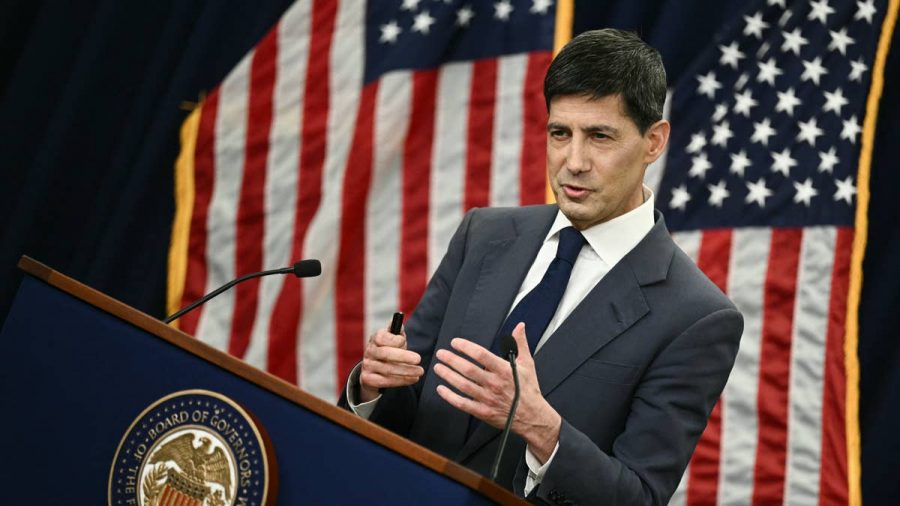
The Federal Reserve’s newly appointed governor, Kevin Warsh, has officially taken the reins, and with his arrival comes a wave of surprises that few analysts anticipated. As markets react to the freshly minted policies and guidelines, investor sentiment is mixed, leading to a flurry of activity in various sectors.
A New Era at the Fed
Kevin Warsh, whose appointment has been met with both enthusiasm and skepticism, brings a unique perspective to the Federal Reserve. Having served as a Fed governor from 2006 to 2011, he has a deep understanding of monetary policy and its implications for the economy. Warsh’s return to the Fed was expected to be a continuation of existing policies; however, his initial moves suggest a significant shift that could reshape the landscape of American finance.
Surprise Rate Adjustments
One of the most shocking announcements during Warsh’s first week in office was the unexpected adjustment to interest rates. Analysts predicted a steady rate environment, anticipating that the Fed would maintain its current course given recent economic indicators. Instead, Warsh hinted at a possible rate increase sooner than expected, citing inflationary pressures and a robust job market as key factors.
Market Reactions
The immediate aftermath of Warsh’s announcement saw a volatile stock market. Major indices fluctuated wildly, reflecting investor uncertainty about the future direction of monetary policy. The Dow Jones Industrial Average experienced a sharp decline before recovering slightly, while technology stocks faced significant pressure.
Investor Sentiment
Investor sentiment is currently divided. Some market participants view Warsh’s bold moves as a necessary corrective to an overheated economy, while others fear that increasing rates could stifle growth and lead to a recession. In a recent survey, nearly 60% of investors expressed concern that the Fed’s new direction could negatively impact the stock market in the long run.
Implications for the Economy
Warsh’s approach may have far-reaching implications for various sectors of the economy. Housing markets are particularly sensitive to interest rate changes, and a rise in rates could lead to decreased affordability and slowed sales. Consumer spending may also take a hit, as higher borrowing costs deter consumers from making major purchases.
Sector Responses
- Real Estate: Many real estate analysts are already predicting a slowdown in home sales as mortgage rates climb.
- Retail: Retailers are bracing for potential decreases in consumer spending, particularly in discretionary categories.
- Financial Services: Banks may benefit from higher interest rates, increasing their margins on loans.
The Road Ahead
As Warsh settles into his role, investors will be closely watching his next moves. The Fed’s upcoming meetings will be crucial in determining the future trajectory of interest rates and economic policy. Warsh’s willingness to take bold actions may face scrutiny, but it could also pave the way for a more resilient economy in the long run.
Conclusion
In conclusion, the Fed Warsh era has kicked off with unexpected twists that have left markets reeling. As the Fed navigates these uncharted waters, one thing remains clear: the decisions made in the coming months will significantly impact the economy and the financial landscape for years to come.