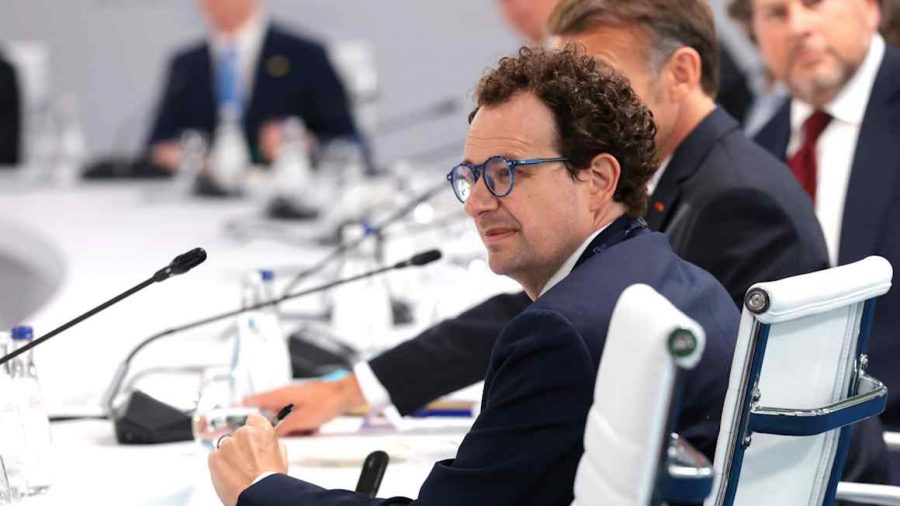
Anthropic’s Dario Amodei Calls for Global Cooperation on AI
In a pivotal moment for the future of artificial intelligence, Dario Amodei, CEO of the AI research company Anthropic, has addressed G7 leaders, urging them to resist the “temptation to splinter” in their approach to AI governance. His appeal comes at a time when the global landscape of artificial intelligence is rapidly evolving, prompting calls for unified international regulations.
The Need for Unity in AI Regulation
Amodei’s message resonated strongly with the context in which G7 leaders are currently deliberating on how to harness the benefits of AI while mitigating its risks. In a world where technological advancements can easily cross borders, he emphasized the importance of a cohesive strategy to prevent a fragmented approach to AI regulation.
- Potential Risks of Fragmentation: Amodei pointed out that divergent regulations could lead to a chaotic landscape where innovation suffers and safety risks increase. Countries may adopt vastly different standards, leading to confusion and reduced efficacy in addressing global challenges related to AI.
- International Cooperation as a Solution: He called for an international framework that encourages collaboration among nations, ensuring that advancements in AI are developed responsibly and ethically.
- Support from Industry Rivals: Notably, Amodei’s call for collaboration was echoed by Sam Altman, CEO of OpenAI, who is often seen as a rival in the AI space. Altman’s support underscores a broader consensus within the tech community about the critical need for unified global standards.
Why This Matters
The conversation around AI governance has intensified as the technology continues to advance at an unprecedented pace. With applications ranging from healthcare to autonomous vehicles, the stakes are high. Leaders must consider not only the economic implications but also the ethical considerations that come with deploying such powerful technologies.
Amodei highlighted the role of G7 leaders in setting the tone for global AI governance. By working together, they can foster an environment that encourages innovation while ensuring that robust safeguards are in place to protect society from the potential harms of unregulated AI.
Challenges Ahead
Despite the urgency of the situation, achieving consensus among G7 nations presents its own challenges. Each country has its own priorities and concerns regarding AI, influenced by local economic conditions, political climates, and public sentiment. As such, the path to a unified strategy may be fraught with obstacles.
- Balancing Innovation and Regulation: Striking the right balance between fostering innovation and implementing necessary regulations will be a delicate task for leaders.
- Addressing Public Concerns: As AI becomes more integrated into daily life, public concerns about privacy, security, and job displacement must be addressed proactively.
A Call to Action
As discussions unfold, Amodei’s call to action serves as a timely reminder of the importance of global cooperation in tackling the complexities of AI. By coming together, G7 leaders have the opportunity to not only shape the future of AI but also to set a precedent for collaborative governance in other technological domains.
In conclusion, the future of artificial intelligence is inextricably linked to the decisions made by leaders today. Amodei’s plea for unity among G7 nations is not just a call for cooperation; it is a vital step toward ensuring that AI serves humanity’s best interests.