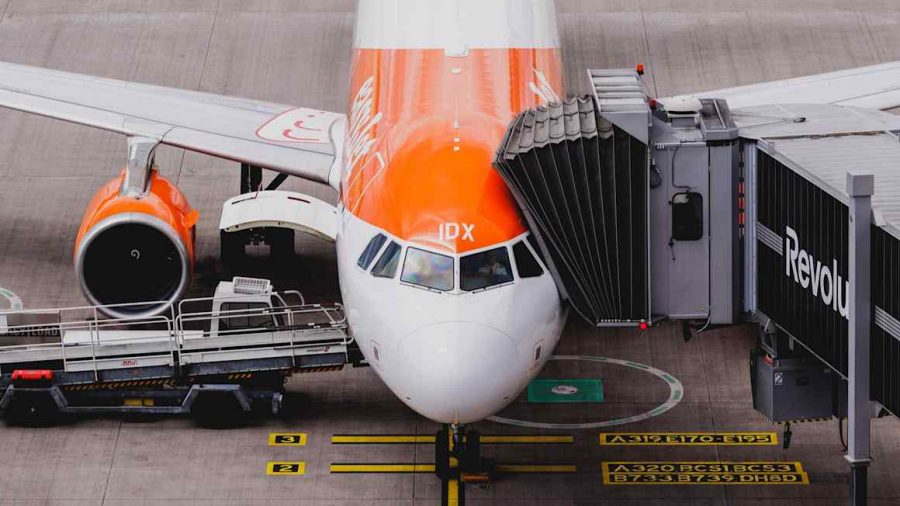
In a significant development within the airline industry, International Airlines Group (IAG) CEO Luis Gallego has raised concerns over the European Union’s stringent competition regulations, which he believes complicate potential acquisitions, such as IAG’s bid for EasyJet.
Gallego’s remarks come at a time when the aviation sector is grappling with the lingering effects of the COVID-19 pandemic and a rapidly changing market landscape. As airlines look to consolidate their operations and strengthen their market positions, the barriers posed by existing EU competition rules have become a focal point for industry leaders.
EU Competition Rules Under Scrutiny
Speaking at a recent industry conference, Gallego highlighted the need for a comprehensive reassessment of how the EU evaluates airline mergers and acquisitions. He stated that the current regulatory framework is not only outdated but also stifles innovation and growth within the sector.
“The European Union must adapt to the realities of today’s airline market. The rules we have in place make it exceedingly difficult for airlines to pursue mergers that could enhance competition and benefit consumers,” he asserted. Gallego’s comments reflect a growing sentiment among airline executives who believe that regulatory constraints hinder their ability to compete on a global scale.
The Case for EasyJet
IAG, the parent company of British Airways and Iberia, has expressed interest in acquiring EasyJet, a low-cost carrier that has gained significant market share in recent years. However, Gallego warned that the complexities introduced by EU competition laws could derail such ambitions.
“An acquisition like EasyJet could create a more competitive landscape, offering consumers better choices and lower fares. Yet, we face an uphill battle due to these stringent regulations,” he explained.
Challenges in the Airline Industry
The airline industry has been undergoing rapid transformation, with companies seeking to adapt to changing consumer preferences and economic realities. The pandemic has prompted airlines to reconsider their business models, leading to increased interest in mergers and partnerships.
However, the current EU framework, which aims to prevent monopolistic behavior and ensure fair competition, often acts as a barrier to such strategic moves. Critics argue that while the intent behind these regulations is noble, the implementation often results in missed opportunities for growth and innovation.
Calls for Reform
Gallego is not alone in his call for reform. Other industry leaders have echoed similar sentiments, urging the EU to create a more flexible and responsive regulatory environment that takes into account the unique challenges facing airlines today.
Among the proposed changes are:
- Streamlining the merger evaluation process to reduce delays.
- Implementing more flexible criteria for assessing competition in the airline sector.
- Encouraging collaboration between airlines to enhance operational efficiency.
By adopting these reforms, industry advocates argue that the EU could foster a more competitive airline market, ultimately benefiting consumers through lower prices and improved services.
The Future of Airline Mergers
As the airline industry continues to navigate the complexities of recovery post-pandemic, the conversation surrounding mergers and acquisitions is likely to intensify. With IAG’s interest in EasyJet highlighting the potential for strategic consolidation, the outcome of this dialogue could have far-reaching implications for the future of air travel in Europe.
In conclusion, the call from IAG’s Luis Gallego for an overhaul of EU competition rules underscores a pivotal moment for the airline industry. As companies seek to adapt and thrive in a challenging environment, the regulatory landscape must evolve to support innovation and growth.