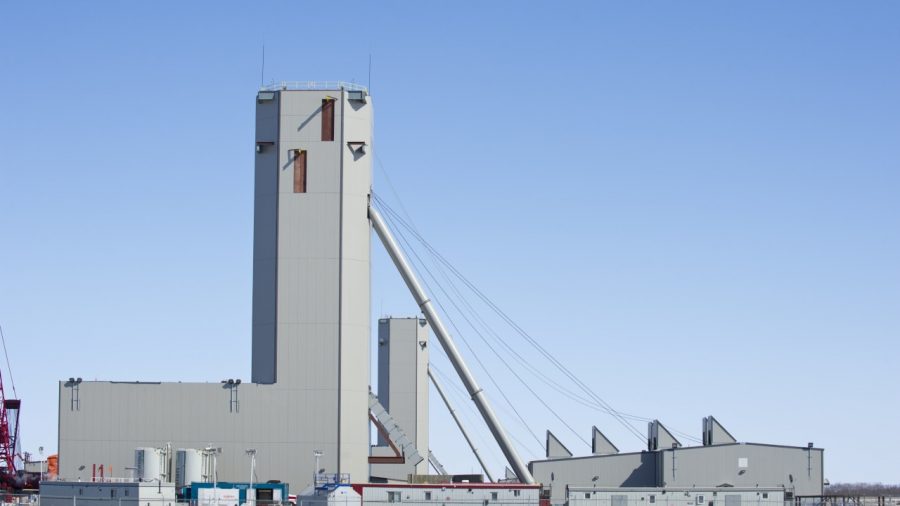
BHP Group Ltd., one of the world’s leading natural resources companies, has announced a staggering $2.3 billion write-down related to its potash operations in Canada. This significant financial adjustment comes as the mining giant faces escalating costs associated with the development of a new potash mine, which is projected to become a major global supplier of the essential fertilizer ingredient.
Background on BHP’s Potash Project
BHP’s potash project, located in the province of Saskatchewan, aims to tap into one of the world’s largest reserves of potash, a crucial component for agricultural fertilizers. The mine is expected to play a pivotal role in meeting the growing global demand for food production. However, the path to production has been fraught with challenges, including unexpected cost increases and project delays.
Impact of Rising Costs
The announcement of the $2.3 billion write-down highlights the financial pressures facing BHP as it navigates a turbulent economic landscape. Rising costs for labor, materials, and regulatory compliance have all contributed to the need for this write-down. Analysts predict that the increased expenditure may further delay the timeline for the mine’s completion, which is critical for BHP to capitalize on the surging demand for potash.
Global Potash Market Dynamics
The potash market has seen significant fluctuations in recent years, driven by increasing agricultural production needs and geopolitical factors affecting supply chains. As a result, companies like BHP are under pressure to ramp up production to secure their market position. With global populations rising and food security becoming a pressing issue, the demand for potash is expected to continue its upward trajectory.
Strategic Importance of Potash
Potash is vital for crop yield enhancement, making it essential for farmers worldwide. The fertilizer helps improve water retention, disease resistance, and overall soil health. As nations strive for self-sufficiency in food production, potash has become an increasingly valuable commodity. BHP’s commitment to this sector underscores its recognition of these trends and the long-term potential of potash as a growth driver.
Financial Implications for BHP
The write-down is expected to impact BHP’s financial statements significantly, leading to a reevaluation of its investment strategies. Investors are likely to react to this news with caution, as the company attempts to navigate the complexities of its potash operations. BHP has been actively working to streamline its costs and improve operational efficiencies, but the current circumstances may require a reevaluation of its approach.
Future Prospects
Despite the challenges, BHP remains optimistic about the long-term prospects of its potash project. The company has a history of overcoming obstacles in its mining ventures, and it continues to invest in technology and innovation to enhance productivity. As the global demand for potash grows, BHP aims to position itself as a leader in the market.
Conclusion
As BHP faces a $2.3 billion write-down due to rising costs in its Canadian potash project, the company is at a critical juncture. With the potential for significant returns in the potash market, BHP must navigate these challenges carefully to secure its future in the global fertilizer industry. Stakeholders will be watching closely as the company adjusts its strategies in response to these financial pressures.