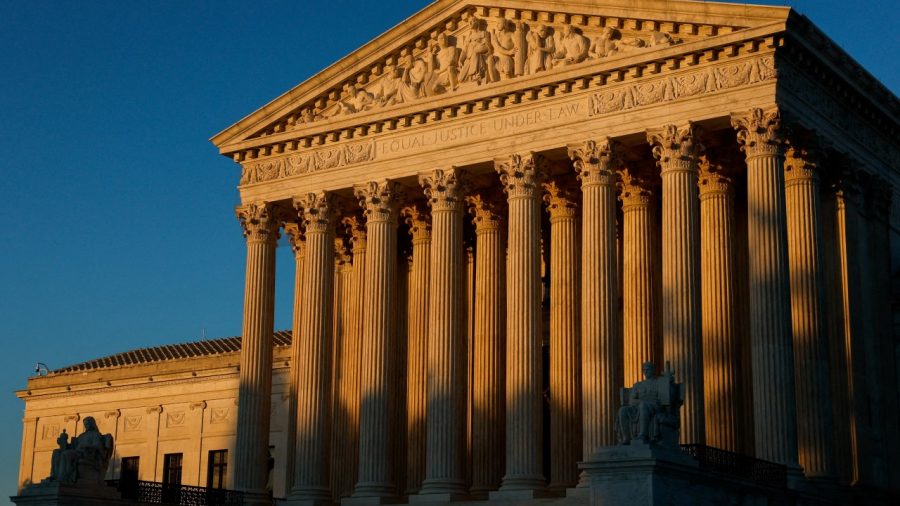
The Supreme Court’s Shift on Racial Equality
In a landmark decision, the U.S. Supreme Court has signaled a dramatic shift in its approach to racial equality, effectively dissenting from the long-standing precedent set by Plessy v. Ferguson. This ruling, which resonates 130 years after the infamous decision that upheld racial segregation, marks an end to the doctrine of “disparate impact” in legal assessments of discrimination.
The Implications of Disparate Impact
The concept of disparate impact, which emerged as a legal standard during the civil rights movement, allowed courts to recognize practices that disproportionately affect racial minorities, even when no intentional discrimination was evident. Critics of this doctrine argue that it has led to unwarranted legal challenges against businesses and institutions, deterring them from pursuing policies that may inadvertently lead to unequal outcomes.
A New Era in Judicial Philosophy
The majority opinion of the court reflects a broader judicial philosophy that emphasizes a “colorblind” interpretation of the law. This approach argues that laws should be applied uniformly, without consideration of race, which proponents claim is a step forward in achieving true equality. However, this perspective raises concerns among civil rights advocates who fear that it may undermine protections against systemic inequities.
Reactions from the Legal Community
Legal experts are split on the ramifications of this decision. Supporters of the ruling argue that it restores fairness and promotes individual merit over collective identity. “This ruling is a step towards a society where race no longer dictates one’s opportunities,” said a prominent attorney who advocates for a colorblind legal framework.
Conversely, opponents warn that abandoning the disparate impact standard could exacerbate existing inequalities. “Without acknowledging the effects of race on societal structures, we risk creating a legal environment that ignores the realities faced by marginalized communities,” countered a civil rights lawyer.
Historical Context and Future Considerations
The Supreme Court’s ruling comes at a time when many Americans are grappling with issues surrounding race and equality. As the nation continues to navigate the legacy of systemic racism, this decision could reshape the landscape of civil rights litigation. The court’s departure from the principles established in Plessy v. Ferguson suggests a potential rollback of decades of progress in civil rights law.
- Historical Precedent: Plessy v. Ferguson established the principle of “separate but equal,” which justified racial segregation.
- Disparate Impact: This doctrine allowed for legal actions against practices that disproportionately affected minority groups without needing to prove intent.
- Future Litigation: The elimination of this doctrine may lead to fewer successful lawsuits aimed at addressing systemic discrimination.
Conclusion: A Divided Landscape
As the implications of this ruling unfold, the legal community stands at a crossroads. The Supreme Court’s decision to move away from disparate impact could herald a new era in civil rights law, one that prioritizes individual rights over group considerations. However, it also poses significant challenges for those advocating for equality in a complex and often inequitable society. The question remains: will this shift lead to a truly colorblind justice, or will it deepen the divides that persist in our nation?