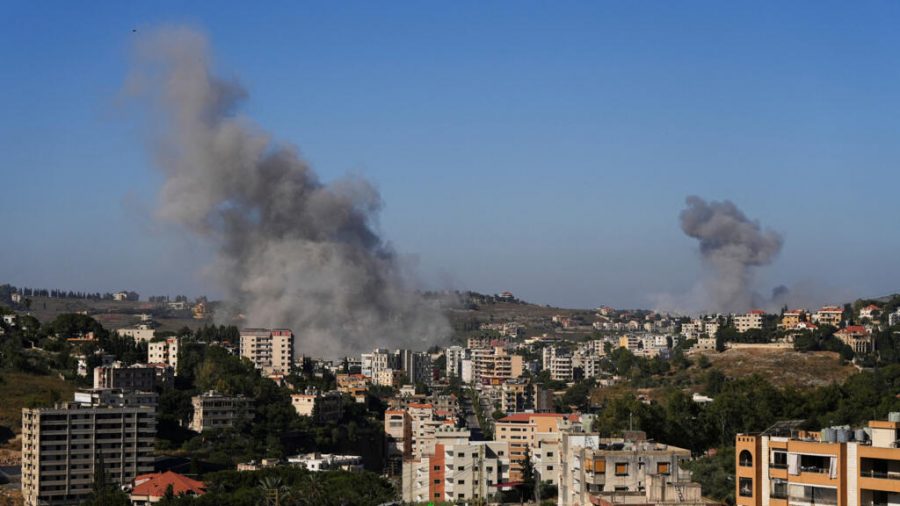
Escalating Tensions: Israeli Strikes in Southern Lebanon
On Saturday, a series of Israeli airstrikes in southern Lebanon resulted in the tragic deaths of at least five individuals, according to reports from Lebanese state media. The attacks occurred despite a ceasefire agreement reached just a day prior between Israel and Hezbollah, raising concerns about the stability of the region.
The Context of the Strikes
The strikes were executed using Israeli warplanes and drones, marking a significant escalation in hostilities between Israel and Hezbollah. This violence has emerged against a backdrop of ongoing geopolitical tensions, with a fragile ceasefire that had offered a glimmer of hope for peace now seemingly shattered. The ceasefire was a result of intense negotiations and was intended to halt the cycle of violence that has plagued the area for years.
International Reactions
The situation has drawn international attention, particularly as U.S. envoy Steve Witkoff and Iranian Foreign Minister Abbas Araghchi were en route to Switzerland for critical talks. These discussions are expected to focus on regional stability and strategies for de-escalating tensions, particularly in light of the latest developments in Lebanon.
Impact on Civilians
The airstrikes have raised alarms among human rights organizations and local communities, who fear the ongoing violence will lead to further casualties and displacement. Residents in southern Lebanon have expressed their anguish and fear as they navigate the dangerous situation, with many now grappling with the loss of loved ones.
Ongoing Hostilities
Following the airstrikes, Hezbollah threatened retaliation, indicating that the ceasefire’s fragile nature could lead to further conflict. The group has historically responded aggressively to Israeli incursions, and analysts warn that the current climate could quickly escalate into a larger military confrontation.
The Broader Geopolitical Landscape
- Iran’s Role: Iran’s involvement in the region complicates the dynamics between Israel and Hezbollah, as Tehran provides military support to the Lebanese group.
- U.S. Position: The United States has been actively engaged in diplomatic efforts to stabilize the region, but its influence is increasingly challenged by the complexities of local and regional relationships.
- Regional Stability: The ongoing violence threatens to destabilize not only Lebanon but also neighboring countries, raising concerns about a broader conflict.
Conclusion
As the situation develops, the international community watches closely, hoping for a return to negotiations and a sustainable peace. The tragic loss of life in southern Lebanon underscores the urgent need for dialogue and restraint from all parties involved. Without a commitment to peace, the cycle of violence may continue, leaving countless civilians caught in the crossfire.