Iran’s Oil Market Reopens: What This Means for Global Supply
In a significant shift in global oil dynamics, a recent agreement between Washington and Tehran has paved the way for Iran to resume its oil shipments on the international market. This marks the first time since 2018 that Iranian oil can freely enter global markets, raising questions about the speed and scale of its re-emergence in the oil sector.
The Context of the Deal
The deal comes amid ongoing discussions about Iran’s nuclear program and its implications for regional stability. Over the past few years, U.S. sanctions have severely restricted Iran’s ability to sell oil, leading to a dramatic decrease in its oil exports, which once were a significant part of its economy.
Impact on Oil Supply and Prices
With the lifting of sanctions, analysts are keenly observing how quickly Iran can ramp up its production and what that might mean for global oil prices. Currently, oil prices are influenced by various factors, including geopolitical tensions, demand fluctuations, and supply chain disruptions. An influx of Iranian oil could potentially ease some of the pressure on prices, which have been volatile in recent months.
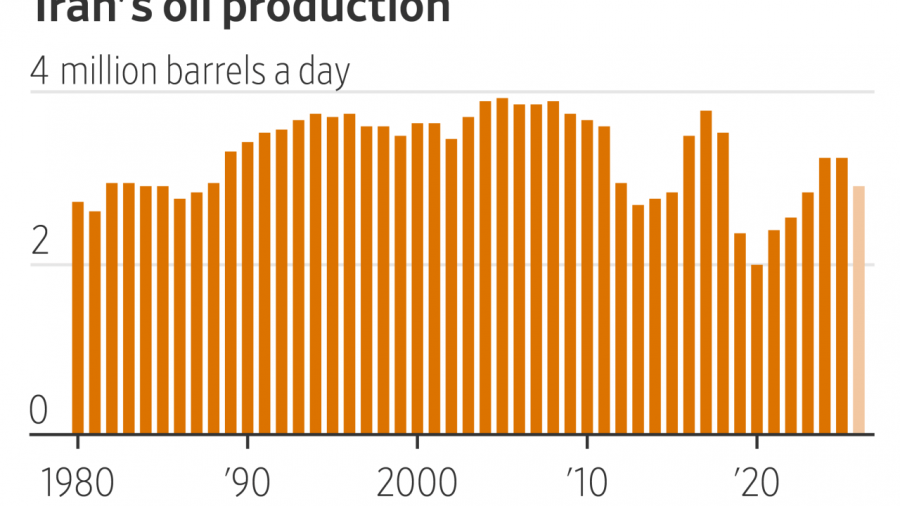
- Current Production Levels: Iran’s oil production has been significantly curtailed, averaging around 300,000 barrels per day, down from over 2 million barrels per day before sanctions were imposed.
- Potential Increase: Experts suggest that Iran could ramp up to at least 1 million barrels per day within a year if infrastructure and market access issues are resolved.
- Market Readiness: The global oil market has shown resilience, but the introduction of Iranian oil could lead to a shift in supply dynamics, particularly in Asia, which has historically been a major destination for Iranian crude.
Challenges Ahead
Despite the optimistic projections, several challenges remain for Iran as it seeks to boost its oil exports. First, it must navigate the complexities of re-establishing trade relationships with international buyers who may remain wary due to the political climate. Second, the country’s aging oil infrastructure will require upgrades to handle increased production levels. Lastly, ongoing tensions in the Middle East could pose risks to shipping routes and further complicate trade.
The Future of Iranian Oil
As Iran prepares to re-enter the oil market, the implications of this deal extend beyond just oil prices. It signals a potential thawing of relations between Iran and Western nations, which could lead to further economic cooperation and stability in the region. However, the success of this deal will largely depend on Iran’s ability to navigate the geopolitical landscape while satisfying both domestic and international stakeholders.
In conclusion, the reopening of Iran’s oil market presents both opportunities and challenges. As the world watches closely, the speed at which Iran can ramp up its production and the subsequent impact on global oil prices will be critical factors in shaping the future of energy markets.