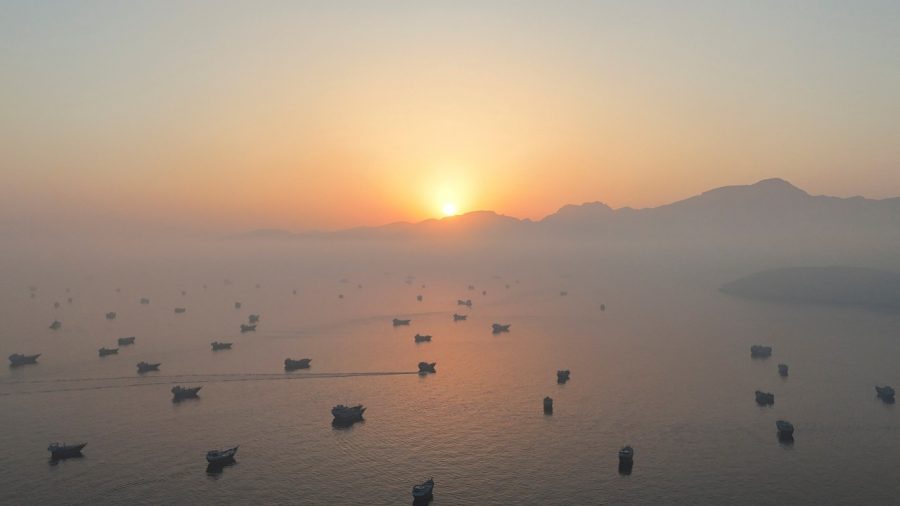
The State of Play in the Strait of Hormuz
The Strait of Hormuz, a vital corridor for global oil trade, is currently facing unprecedented challenges. Following recent geopolitical tensions, the passage through this strategic waterway is expected to experience a significant slowdown, with traffic levels anticipated to take weeks to recover to even half of prewar conditions.
Impact on Global Oil Supply
The Strait of Hormuz is not just a narrow passage; it is a crucial artery for the world’s oil supply, with approximately 20% of global petroleum passing through its waters. Disruptions here can have far-reaching consequences, not only for oil prices but also for economies dependent on this critical resource.
Currently, analysts predict that it could take several weeks for the traffic flow in the strait to stabilize. This prolonged disruption will likely lead to increased shipping costs and insurance premiums for vessels navigating the area, further compounding the economic impacts.
Challenges Ahead
As shipping companies and oil producers attempt to navigate the uncertain waters, they face several challenges:
- Increased Security Concerns: The heightened military presence in the region has raised the stakes for shipping companies. Many are now forced to reroute or delay shipments to avoid potential confrontations.
- Insurance Hikes: With the risk of attacks or seizures, insurers are increasing premiums for vessels operating in the region, which may lead to additional costs being passed on to consumers.
- Market Volatility: Oil prices have already begun to fluctuate in response to the uncertainty. Traders are closely monitoring developments, and further instability could drive prices higher.
Long-term Effects
The repercussions of the disruptions in the Strait of Hormuz could extend far beyond immediate supply chain issues. Economists are warning that prolonged instability in this region could lead to:
- Inflationary Pressures: If oil prices continue to rise, consumers may face increased costs for fuel and goods, impacting household budgets.
- Supply Chain Disruptions: Industries that rely heavily on oil, such as transportation and manufacturing, may experience delays and increased costs, potentially leading to broader economic slowdown.
The Path Forward
In light of these challenges, many stakeholders are advocating for diplomatic efforts to stabilize the region. Renewed discussions among affected nations could pave the way for a more secure and reliable shipping environment in the Strait of Hormuz.
In conclusion, the current state of play in the Strait of Hormuz presents a complex web of challenges that could have lasting implications for global oil supply and economic stability. As traffic through this critical route remains compromised, the world watches closely, hoping for swift resolution and recovery.