US-Iran Talks Commence in Switzerland Amid Rising Regional Tensions
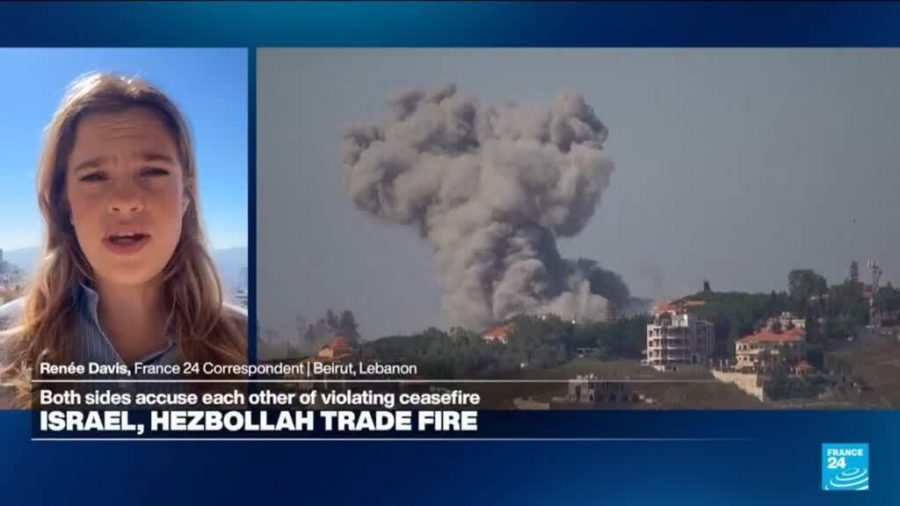
The geopolitical landscape in the Middle East is witnessing a significant escalation as Israel and Hezbollah engage in a dangerous exchange of fire. This development coincides with the commencement of high-stakes peace talks in Switzerland, involving U.S. and Iranian officials. The Iranian Revolutionary Guards announced on Saturday that they have shut the vital Strait of Hormuz, a critical waterway for global oil transportation, heightening concerns over regional stability.
High-Level Diplomacy Amid Conflict
As conflict rages, Iranian state media reported that senior officials from Tehran have arrived in Switzerland, ready to engage in discussions aimed at de-escalating tensions. Notably, U.S. Vice President JD Vance, who had initially canceled his trip, has since arrived in Switzerland to partake in the negotiations. These talks mark a crucial step in addressing not only Tehran’s contentious nuclear program but also the broader security concerns in the region.
Conditions for Peace
The success of these talks hinges on several critical factors, including a cessation of hostilities in Lebanon. Iranian officials have made it clear that any agreements regarding their nuclear ambitions and other contentious issues are contingent upon a halt in the fighting between Israel and Hezbollah. This linkage underscores the complexities of achieving lasting peace in a region fraught with historical animosities and ongoing violence.
Casualties and Human Cost
As diplomatic efforts unfold, the human toll of the conflict continues to rise. Reports from Lebanese civil defense authorities indicate that Israeli airstrikes on Saturday resulted in the deaths of at least 20 individuals. These casualties highlight the dire humanitarian situation on the ground and the urgent need for a resolution to the ongoing violence.
Ground Reports from Conflict Zones
FRANCE 24 correspondents Reza Sayah in Tehran and Renée Davis in Beirut are closely monitoring the situation, providing on-the-ground insights into the unfolding crisis. Their reports detail the harrowing experiences of civilians caught in the crossfire and the overwhelming desire for peace among the populace.
The Strategic Importance of the Strait of Hormuz
- Vital Waterway: The Strait of Hormuz serves as a crucial conduit for a significant portion of the world’s oil supply, making it a focal point for international shipping and trade.
- Military Posturing: The Iranian Revolutionary Guards’ declaration to close the strait reflects the escalating tensions and Iran’s willingness to assert its military capabilities in response to perceived threats.
- Global Implications: Any disruption in this strategic waterway could have far-reaching consequences for global oil prices and international relations.
Looking Ahead
As the U.S.-Iran talks unfold, the world watches closely, hoping for a breakthrough that could pave the way for peace. However, with the situation on the ground in Lebanon deteriorating, and the threat of further escalation ever-present, the challenge remains formidable. The stakes are high, and the coming days will be crucial in determining whether diplomacy can prevail over conflict in this volatile region.