Colombia’s Crucial Presidential Runoff: A Battle for the Nation’s Future
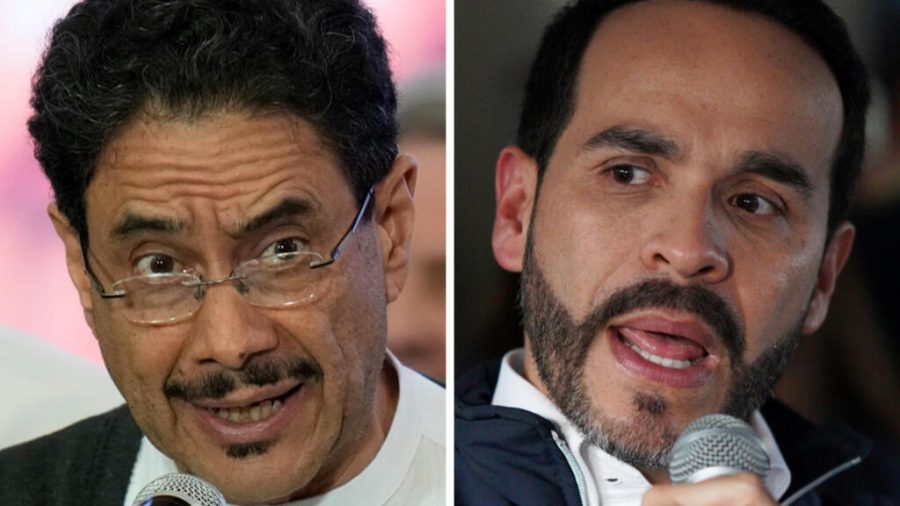
On Sunday, Colombian voters will head to the polls for a pivotal presidential runoff that could reshape the nation’s political landscape. The contest features hard-right lawyer Abelardo de la Espriella, backed by the Trump administration, against leftist senator Ivan Cepeda, a figure advocating for progressive reforms.
The Candidates and Their Platforms
Abelardo de la Espriella, 45, is a well-known figure in Colombian law and politics. His campaign is characterized by a tough stance on crime, a commitment to security, and a promise to uphold traditional values. With the support of the former U.S. president Donald Trump, de la Espriella appeals to voters who prioritize national security and economic stability in a country grappling with violence and poverty.
On the other hand, Ivan Cepeda, 52, represents a stark contrast to his opponent. A senator with a reputation for his advocacy of human rights and social justice, Cepeda’s platform focuses on addressing inequality, promoting peace initiatives, and enhancing diplomatic relations with other nations, particularly in the context of the ongoing peace process with leftist guerrilla groups.
The Stakes of the Election
The outcome of this election is not just a matter of political preference; it will significantly influence Colombia’s fragile peace process and its relationship with the United States. Under the current administration, Colombia has seen the implementation of a landmark peace deal aimed at ending decades of conflict with the FARC guerrilla group. However, this process has faced numerous challenges, including violence from other armed groups and resistance from various political factions.
Should de la Espriella emerge victorious, many fear that his hardline approach may jeopardize the progress made in the peace negotiations. His rhetoric suggests a return to more militarized strategies to combat insurgency, which could lead to an escalation of violence and a rollback of peace efforts.
In contrast, a victory for Cepeda could signal a renewed commitment to diplomacy and dialogue, potentially revitalizing the peace process and fostering a more cooperative relationship with both domestic and international stakeholders. His supporters argue that his election could pave the way for more inclusive policies that address the root causes of conflict in Colombia.
Public Sentiment and Voter Turnout
The atmosphere leading up to the election has been charged, with polls indicating a divided electorate. Many Colombians are disillusioned with the current state of affairs, grappling with economic challenges exacerbated by the COVID-19 pandemic and persistent social inequalities.
Voter turnout is expected to be a crucial factor in this election. Historical trends indicate that higher turnout rates tend to favor leftist candidates, while lower participation often benefits right-wing candidates. Both campaigns are working tirelessly to mobilize their bases, utilizing social media, grassroots outreach, and traditional campaigning techniques.
The Role of the United States
The role of the United States in this election is particularly significant, given its longstanding influence in Colombian politics. The Trump administration’s backing of de la Espriella aligns with a broader strategy of supporting hardline leaders in Latin America. However, the Biden administration has taken a more nuanced approach, advocating for human rights and democracy in the region.
As the election approaches, the implications of U.S. foreign policy on Colombian affairs remain a critical consideration for voters. Many are reflecting on how the next president’s stance could impact not only Colombia’s internal dynamics but also its relationships with other nations, especially in the context of drug trafficking, security cooperation, and economic partnerships.
Conclusion
As Colombians prepare to cast their votes, the decision they make will resonate far beyond their borders. This runoff election is not merely a choice between two candidates but a defining moment for the country’s future direction. Whether it leans towards a hardline stance or embraces progressive change will shape Colombia’s political and social landscape for years to come.