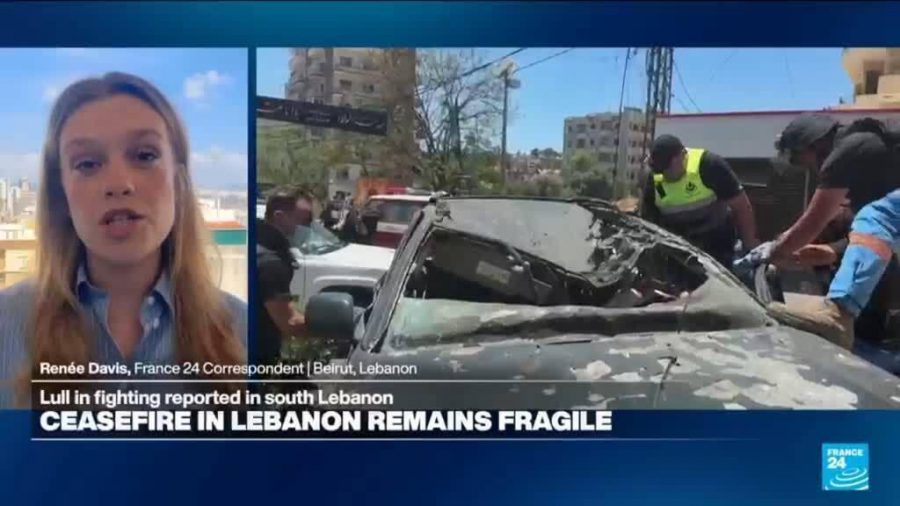
Renewed Hostilities in Lebanon
In a dramatic escalation of violence, Israeli airstrikes resumed in Lebanon after a brief pause of several hours, coinciding with ongoing diplomatic talks between the United States and Iran in Switzerland. This latest round of conflict comes amid a fragile ceasefire that was established only days prior, highlighting the volatile situation in the region.
Ceasefire and Its Breach
The ceasefire, which had offered a brief respite to the war-torn nation, proved to be short-lived as fighting reignited shortly after a 24-hour lull, marking the first significant pause in hostilities since March 2. Reports from the ground indicate that both Israeli forces and Hezbollah have engaged in a series of exchanges, further complicating the already tense atmosphere.
US-Iran Talks and Regional Implications
The backdrop to the renewed conflict is the ongoing dialogue between the United States and Iran. As representatives from both nations convene in Switzerland, the discussions are critical in shaping the future of security in the Middle East. The stakes are particularly high, as Iran has responded to the escalating violence by closing the strategically vital Strait of Hormuz, a key transit route for global oil supplies.
Ground Reports from Lebanon
FRANCE 24 correspondent Renée Davis, reporting from Lebanon, has noted the palpable tension in the air as residents brace themselves for the impact of renewed military actions. “The atmosphere is charged; people are anxious, unsure of what the next hours will bring,” she said, emphasizing the uncertainty that comes with such rapid shifts in hostilities.
Impact on Civilians
The ongoing conflict takes a significant toll on the civilian population, many of whom have already endured years of instability. Casualties are climbing, and humanitarian needs are escalating as families are forced to flee their homes or seek shelter from the bombardments. Aid organizations are struggling to reach those in desperate need, further exacerbating an already critical situation.
- Continued Strikes: Israeli airstrikes have targeted suspected Hezbollah positions throughout southern Lebanon.
- Hezbollah Counterattacks: In retaliation, Hezbollah has launched rocket attacks into northern Israel.
- International Reactions: The international community watches closely, with calls for restraint from various global leaders.
Geopolitical Stakes
The conflict has broader implications beyond the immediate violence. The US-Iran talks aim to address not only nuclear concerns but also regional security issues that involve various actors, including Israel and proxy groups like Hezbollah. The outcome of these negotiations could either pave the way for stability or lead to further escalation, depending on how each side interprets the other’s moves.
Looking Forward
As the situation unfolds, the eyes of the world remain fixed on Lebanon and the negotiations in Switzerland. The potential for a lasting resolution hangs in the balance, contingent upon the actions of both regional powers and international stakeholders. For now, the people of Lebanon endure yet another chapter of uncertainty and fear as they navigate the fallout from a conflict that shows no signs of abating.