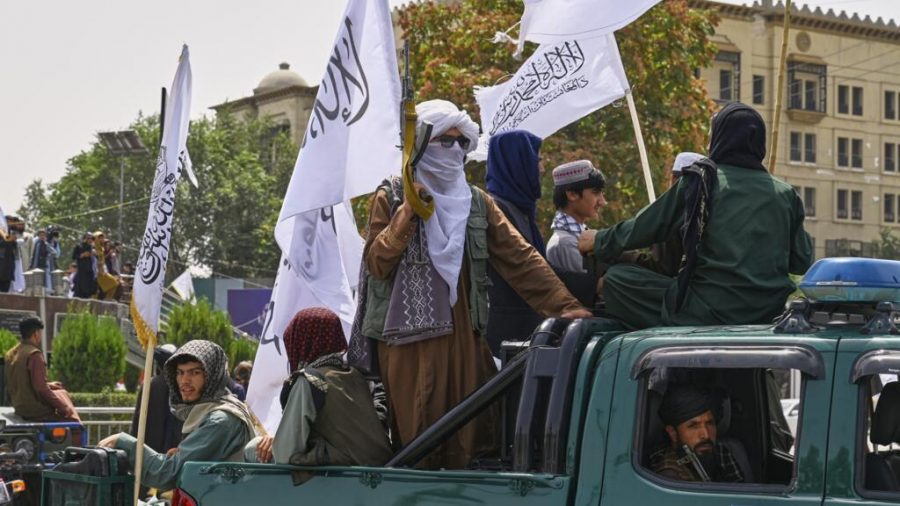
The European Union is preparing for a contentious meeting with a Taliban delegation in Brussels on Tuesday, focusing on the return of Afghan asylum-seekers whose applications have been rejected. This discussion comes on the heels of Belgium granting one-day visas to the Taliban team, a decision that has sparked significant backlash from human rights organizations.
Background on EU-Taliban Relations
Though the EU does not officially recognize the Taliban as the legitimate government of Afghanistan, the bloc has invited representatives from Kabul to engage in talks. This meeting is part of a broader strategy aimed at increasing deportations of individuals who have failed to secure asylum in Europe. The EU’s approach raises ethical and moral questions, particularly given the Taliban’s controversial record on human rights since regaining control of Afghanistan in August 2021.
Human Rights Concerns
Human rights groups have vehemently criticized the EU’s decision to hold discussions with the Taliban, citing fears that returning asylum-seekers will face persecution, violence, or even death upon their return to Afghanistan. Organizations such as Amnesty International and Human Rights Watch have voiced their alarm, arguing that the EU is prioritizing immigration control over the safety and dignity of vulnerable individuals.
“Engaging with the Taliban under these circumstances sends a dangerous message that the EU is willing to overlook fundamental human rights violations in favor of political expediency,” stated a representative from Amnesty International. This sentiment has been echoed by various advocacy groups who argue that the EU should be doing more to protect Afghan refugees rather than facilitating their deportation.
The EU’s Rationale
Despite the backlash, the EU insists that it must address the influx of Afghan migrants who have entered European countries in recent years. Many of these individuals are fleeing the oppressive regime of the Taliban, seeking safety and a chance to rebuild their lives. However, the EU argues that a coordinated approach to repatriation is necessary to manage migration flows effectively.
A spokesperson for the European Commission stated, “This meeting is not about endorsing the Taliban but about finding practical solutions to migration challenges. We must ensure that our borders are secure while also addressing humanitarian needs.” This statement reflects the EU’s ongoing struggle to balance border security with its commitment to human rights.
Historical Context of Afghan Migration
The situation in Afghanistan has led to a significant increase in migration, particularly among those who worked with foreign governments and organizations during the previous two decades. Many of these individuals face dire consequences if returned to Afghanistan, where they are often targeted by the Taliban. The EU has faced growing pressure to provide sanctuary for these at-risk groups, which has complicated its immigration policies.
The Road Ahead
As the EU prepares for the talks with the Taliban, the outcome remains uncertain. Human rights groups continue to call for a halt to deportations and urge the EU to adopt a more humane approach to asylum-seekers. The discussions could set a precedent for future interactions between the EU and the Taliban, with implications for both migration policy and human rights advocacy.
The meeting is expected to attract significant media attention, and the reactions from both human rights advocates and political leaders across Europe will likely shape the narrative surrounding the EU’s handling of Afghan asylum-seekers in the coming months.