US Eases Sanctions Amid Renewed Diplomacy with Iran
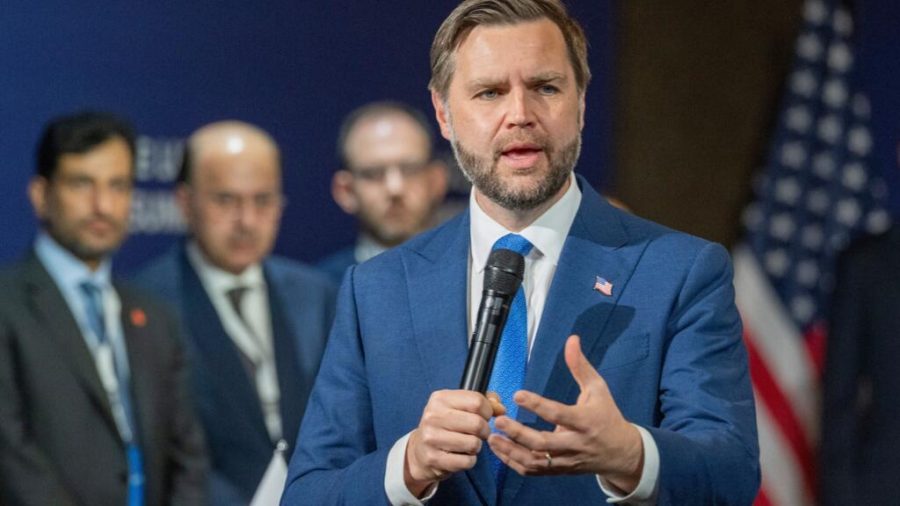
In a significant development in international relations, the United States has temporarily eased sanctions on Iranian oil, a move that coincides with Tehran’s agreement to allow United Nations nuclear inspectors back into the country. This breakthrough was announced on Monday by Vice President JD Vance, who emphasized the importance of this step in ongoing negotiations aimed at curbing Iran’s contentious nuclear program and enhancing stability in the strategically vital Strait of Hormuz.
Background of the Sanctions
The sanctions imposed on Iran have been a cornerstone of U.S. foreign policy, particularly since the U.S. withdrawal from the Joint Comprehensive Plan of Action (JCPOA) in 2018. These measures have had a profound impact on Iran’s economy, particularly its oil exports, which are critical for the nation’s financial infrastructure. The sanctions aimed to pressure Tehran into abandoning its nuclear ambitions, but have also led to heightened tensions in the region.
Vice President Vance’s Announcement
Vice President Vance’s announcement marks a pivotal moment in U.S.-Iran relations. By allowing UN inspectors back into Iran, the Biden administration signals a willingness to engage in dialogue and seek a peaceful resolution to the nuclear issue. Vance stated, “This agreement is a crucial step towards ensuring that Iran’s nuclear program remains peaceful and under international scrutiny.”
Implications for the Strait of Hormuz
The Strait of Hormuz is a crucial waterway through which a significant portion of the world’s oil supply is transported. Any disruption in this area can lead to dramatic fluctuations in global oil prices and pose threats to international shipping. The easing of sanctions and the return of UN inspectors could pave the way for a more stable environment, potentially reducing the risk of conflict and ensuring the free flow of commerce.
Reactions from Iran and the International Community
Iran has welcomed the decision, viewing it as a positive step towards restoring its economy and re-engaging with the global community. Iranian officials have expressed optimism that the return of UN inspectors will facilitate a more transparent dialogue regarding its nuclear program. Mohammad Javad Zarif, Iran’s former Foreign Minister, stated, “This agreement demonstrates that dialogue and diplomacy can pave the way for a peaceful resolution to longstanding issues.”
International reactions have varied, with some nations urging caution. European allies have expressed hope that this development could lead to a comprehensive agreement that addresses not only nuclear concerns but also regional security issues.
Challenges Ahead
While the temporary easing of sanctions and the return of UN inspectors are promising developments, significant challenges remain. Skepticism persists among U.S. lawmakers and allies regarding Iran’s intentions and compliance with international regulations. There are concerns that Iran may exploit the situation to advance its nuclear capabilities further.
Moreover, the geopolitical landscape in the Middle East remains fraught with tension, and any missteps could jeopardize the progress made thus far. Analysts caution that the success of these negotiations will depend on sustained diplomatic engagement and a commitment from all parties to uphold their agreements.
Conclusion
The easing of sanctions and the return of UN nuclear inspectors to Iran represent a significant moment in the ongoing effort to address nuclear proliferation in the region. As the U.S. navigates this delicate situation, the focus will be on fostering dialogue and ensuring compliance, with the ultimate goal of achieving lasting peace and stability in the Middle East.