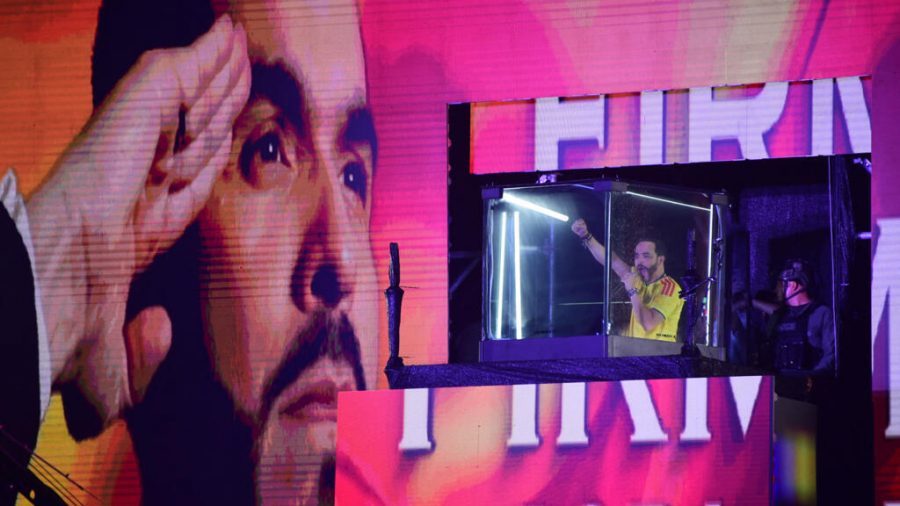
Abelardo de la Espriella: A New Era for Colombia?
In a surprising twist to Colombia’s political landscape, the country elected 47-year-old lawyer and self-made millionaire Abelardo de la Espriella as its new president on Sunday. His victory marks a significant shift just four years after the historic election of Gustavo Petro, the nation’s first left-wing president. With the backing of right-wing factions both domestically and from the United States, de la Espriella’s ascent raises critical questions about his ability to govern effectively in a polarized environment.
The Rise of a Hardliner
Abelardo de la Espriella is known for his strong conservative views and a no-nonsense approach to governance. His campaign resonated with voters who are increasingly frustrated with crime, economic instability, and the ongoing challenges of implementing the peace deal with former FARC guerrillas. De la Espriella’s election promises to restore order and bolster security have found favor among many Colombians who feel that the previous administration did not do enough to address these pressing issues.
Support and Controversy
Despite his considerable support, de la Espriella’s outsider status raises concerns about his ability to navigate the complex political landscape of Colombia. Observers note that while he has garnered significant backing from right-wing elements, including influential figures in the United States, his lack of experience in public office could hinder his effectiveness when it comes to implementing his proposed policies.
- Security and Crime: De la Espriella has pledged to take a hardline stance against crime and violence, particularly in urban areas plagued by drug trafficking and gang activity. However, critics argue that such an approach may lead to human rights violations and escalate tensions with marginalized communities.
- Economic Policies: His economic platform focuses on deregulation and attracting foreign investment, which he believes are essential for stimulating growth. Yet, there are concerns about how these policies will affect social equity and the existing welfare programs initiated during Petro’s administration.
- International Relations: With a pro-U.S. stance, de la Espriella is expected to strengthen ties with Washington, particularly in areas of security and counter-narcotics. However, this alignment could provoke backlash from leftist governments in the region and impact Colombia’s diplomatic relations.
The Path Forward
As de la Espriella prepares to take office, he faces the daunting task of uniting a divided nation. His administration will require careful negotiation and engagement with various political factions to enact his agenda. Moreover, public sentiment remains mixed, with many Colombians wary of a return to the hardline tactics of the past.
Observers will be closely watching how de la Espriella addresses issues of governance, accountability, and human rights during his presidency. The stakes are high, and the success or failure of his administration could shape Colombia’s future for years to come.
Conclusion
Abelardo de la Espriella’s election as Colombia’s president marks a pivotal moment in the nation’s political history. With a mandate to enact conservative reforms, the real test will lie in his ability to govern effectively in a landscape marked by deep divisions. The coming months will reveal whether de la Espriella can translate his hardline rhetoric into actionable policies that resonate with a populace eager for change yet cautious of the past.