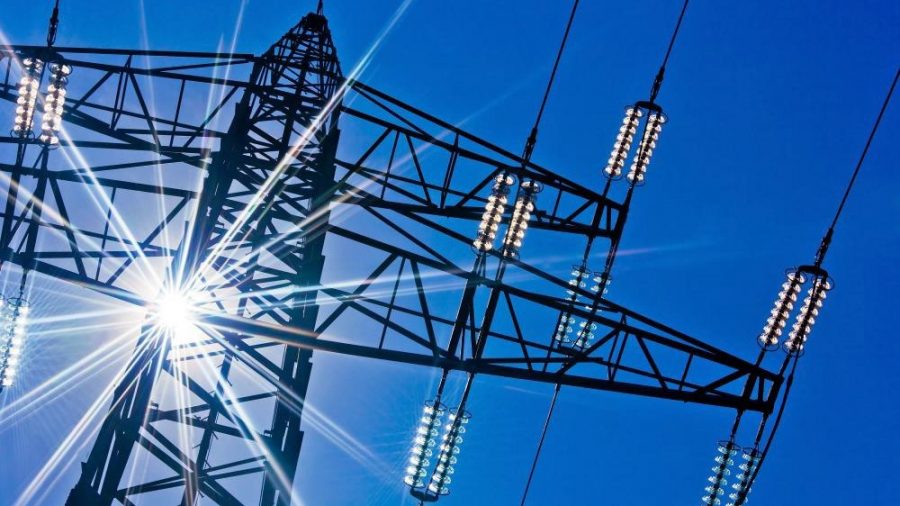
The AI Arms Race: Powering Innovation with Electricity
As nations compete to advance their artificial intelligence capabilities, the underlying factor driving this race is often overlooked: electricity. The quest for supremacy in AI technology is not just about algorithms or data; it’s fundamentally about the energy that powers these advancements.
The Energy Behind Innovation
Artificial intelligence has rapidly transformed various sectors, from healthcare to finance, and its potential for innovation is vast. However, the energy consumption associated with AI technologies is staggering. Large-scale AI models, particularly those utilizing deep learning, require significant computational power, which in turn demands substantial electricity.
Global Energy Consumption Trends
According to recent studies, the electricity consumed by data centers, which host AI systems, is projected to increase dramatically in the coming years. In 2020 alone, data centers accounted for about 1% of the global electricity demand, and this figure is expected to rise as AI applications become more widespread.
Who Holds the Power?
Countries and corporations that can efficiently harness and manage energy resources are positioning themselves as leaders in the AI arms race. For instance, the United States, China, and several European nations are investing heavily in energy infrastructure to support their AI ambitions. This competition is not limited to computing power; it extends to the renewable energy sector, where countries are striving to secure sustainable energy sources.
Electricity: The New Currency of Power
The relationship between energy and AI development raises important questions about the future of technological advancement. As AI systems grow more complex, the demand for electricity will continue to soar. This shift has led to a new paradigm where electricity is becoming the currency of power in the AI arms race.
Investing in Energy Solutions
To remain competitive, nations must invest in innovative energy solutions. This includes not only increasing the capacity of traditional energy sources but also focusing on renewable energy technologies such as solar, wind, and hydropower. By doing so, countries can reduce their carbon footprints while simultaneously fueling their AI initiatives.
The Role of Corporations
Tech giants like Google, Amazon, and Microsoft are also playing a critical role in this energy competition. These companies are not only developing cutting-edge AI technologies but are also investing heavily in their energy strategies. Many have committed to becoming carbon neutral and are exploring ways to source renewable energy for their data centers.
Challenges Ahead
Despite the advantages of renewable energy, challenges remain. Transitioning to sustainable energy sources requires significant investment and time, and not all countries have the same access to resources. Additionally, as demand for AI technology increases, so too does the urgency to ensure that energy supply can meet this demand.
The Future of the AI Arms Race
The AI arms race is an intricate dance of technology, innovation, and energy management. As the world continues to evolve, the nations that recognize the importance of electricity in powering AI will undoubtedly emerge as the leaders in this new frontier. The question remains: will we harness this power responsibly and sustainably?
Conclusion
In conclusion, the race for AI supremacy is not merely about technological prowess; it is intricately linked to the availability and management of electricity. As countries and companies strive to outpace one another in AI capabilities, understanding the role of energy in this equation will be crucial for future advancements.