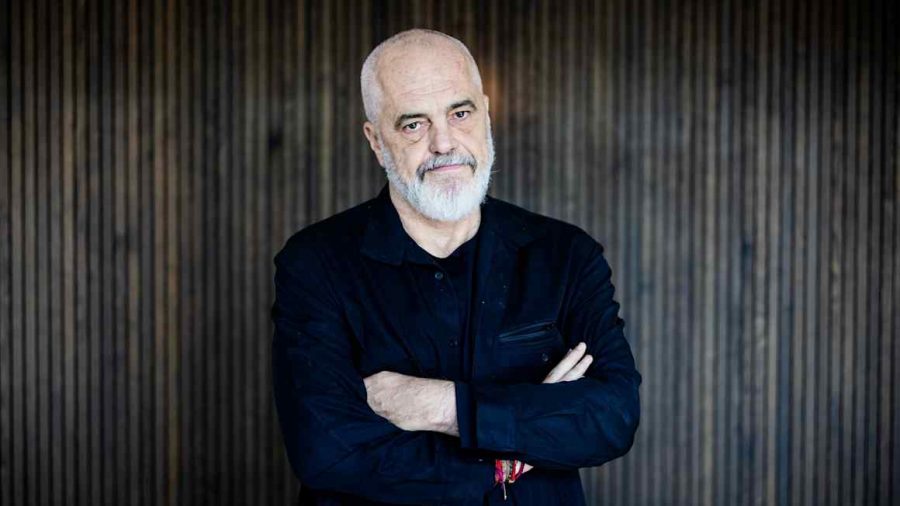
Albanian PM Edi Rama Addresses Ongoing Anti-Corruption Protests
In a bold response to weeks of escalating anti-corruption protests, Albanian Prime Minister Edi Rama has firmly stated, “I’m not the Godfather.” This declaration comes amid rising tensions surrounding a luxury resort project connected to Jared Kushner, former President Donald Trump’s son-in-law, raising questions about political influence and financial ethics in the region.
Background of the Protests
The protests erupted following revelations about the luxury resort, which critics allege is a manifestation of corruption and favoritism. Demonstrators have gathered in large numbers, fueled by concerns that high-profile investments linked to foreign figures may bypass local regulations and exploit Albania’s natural resources.
What Led to the Controversy?
The controversy centers on a $1 billion development project that aims to transform a pristine stretch of Albania’s coastline into a luxury resort. Supporters of the project argue that it will boost the economy and create jobs in the region. However, opponents assert that it threatens the environment and undermines the integrity of local governance.
- Protestors’ Demands: The demonstrators are calling for transparency in the decision-making process, accountability for public officials, and a comprehensive review of the project’s environmental impact.
- Government’s Position: Rama’s government defends the project as a vital economic initiative that will attract foreign investment and enhance Albania’s global standing.
- International Concerns: Environmentalists and watchdog groups have raised alarms about the potential long-term effects of the resort on local ecosystems and communities.
Edi Rama’s Response
During a press conference, Rama confronted the allegations head-on, insisting that he is not involved in any illicit activities. “I’m not the Godfather; I’m a public servant trying to serve my country to the best of my abilities,” he asserted. His comments were aimed at dismissing the notion that political connections are influencing the resort’s approval process.
Rama’s government has faced criticism for its handling of various development projects. Many citizens feel that the government is prioritizing foreign investment over local interests. This sentiment has been exacerbated by a series of corruption scandals that have plagued the Albanian political landscape in recent years.
The Broader Implications
The protests have sparked a national conversation about corruption, governance, and the role of foreign investment in Albania’s development. Activists argue that without transparency and accountability, the future of Albania’s democracy is at stake.
- Public Sentiment: Polls indicate that a significant portion of the Albanian population is dissatisfied with the government’s response to corruption.
- Potential for Change: Activists are hopeful that sustained pressure will lead to meaningful reforms in governance and transparency.
- International Reactions: The protests have caught the attention of international observers, who are watching closely to see how the government responds to the citizenry’s demands.
Looking Ahead
As the protests continue, the Albanian government is at a crossroads. The outcome of this situation could define Edi Rama’s legacy and shape the future of governance in Albania. Will the government heed the calls for greater transparency, or will it continue to push forward with its development agenda amidst public outcry?
In the coming weeks, the Albanian people will likely keep the pressure on their leaders, demanding accountability and integrity as they navigate the complexities of development and governance.