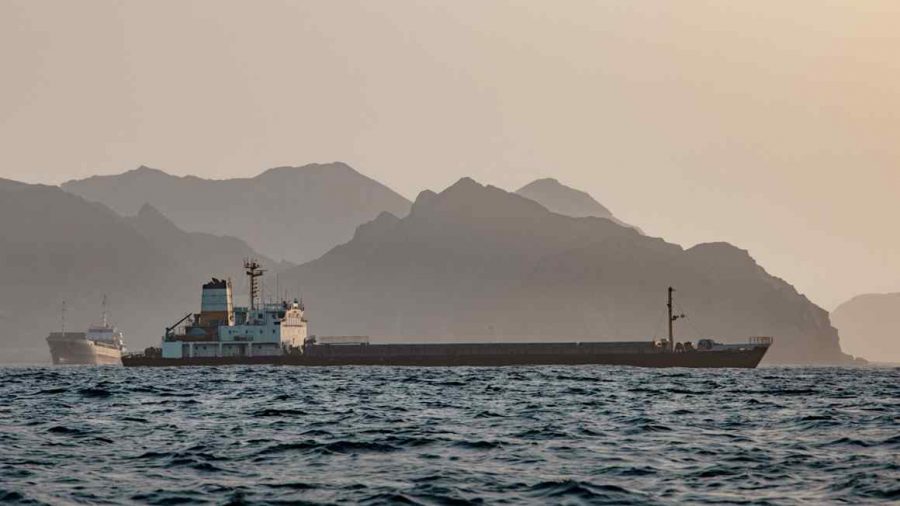
Hormuz Strait Blockade Strands Cargo Ships Worth Billions
In a dramatic escalation of tensions, the closure of the Hormuz Strait has left nearly 1,200 cargo ships stranded, carrying goods valued at a staggering $125 billion. This unprecedented blockade raises serious concerns regarding the future of global maritime trade, as highlighted by Allianz, a leading global insurer.
The Importance of the Hormuz Strait
The Hormuz Strait is a vital artery for international shipping, with approximately one-fifth of the world’s oil passing through this narrow waterway. It connects the Persian Gulf to the Gulf of Oman and is a critical passage for petroleum and liquefied natural gas (LNG) shipments. Any disruption in this region can have far-reaching consequences, not just for local economies but for global markets.
Impact on Global Trade
The blockade has triggered alarm bells across the shipping and logistics industries. With thousands of vessels stuck in limbo, shipping companies are facing unprecedented delays and increased operational costs. The situation is exacerbated by the uncertainty surrounding how long the strait will remain closed.
- Shipping Delays: Cargo ships, which typically transport goods such as oil, electronics, and food products, are experiencing significant delays. Some vessels have been idling for weeks, unable to proceed to their destinations.
- Increased Costs: The longer ships remain stranded, the greater the financial burden on shipping companies. These costs could ultimately be passed on to consumers, leading to increased prices for goods.
- Supply Chain Disruptions: The blockade is already impacting supply chains globally, creating shortages of essential products in various markets.
Reactions from the Industry
Allianz has described the situation as “unprecedented” and cautioned that prolonged disruption in the Strait of Hormuz could lead to a significant escalation in shipping insurance premiums. Insurers are bracing for a potential increase in claims due to the blockade, while shipping companies are evaluating alternative routes to bypass the strait, though these options are often longer and more costly.
Geopolitical Tensions
The closure of the Hormuz Strait is not merely an economic issue but also a geopolitical one. The region has long been a flashpoint for tensions between various nations, particularly between Iran and Western powers. The blockade raises questions about regional stability and the potential for military conflict, which could further escalate the crisis.
Possible Resolutions
As the situation develops, various stakeholders are calling for diplomatic efforts to resolve the crisis. International maritime organizations are urging for dialogue among nations to ensure the safe passage of vessels through the strait. Additionally, some experts suggest that establishing a multinational naval presence could help deter further blockades.
Conclusion
The closure of the Hormuz Strait serves as a stark reminder of the vulnerabilities of global trade networks. With nearly 1,200 cargo ships stranded and a staggering $125 billion worth of goods at stake, the implications of this blockade extend far beyond the immediate region. As the world watches closely, the need for a swift resolution has never been more critical to maintaining the flow of commerce and ensuring economic stability.