Senate Votes to Curb Trump’s Military Authority: A Sign of GOP Dissent?
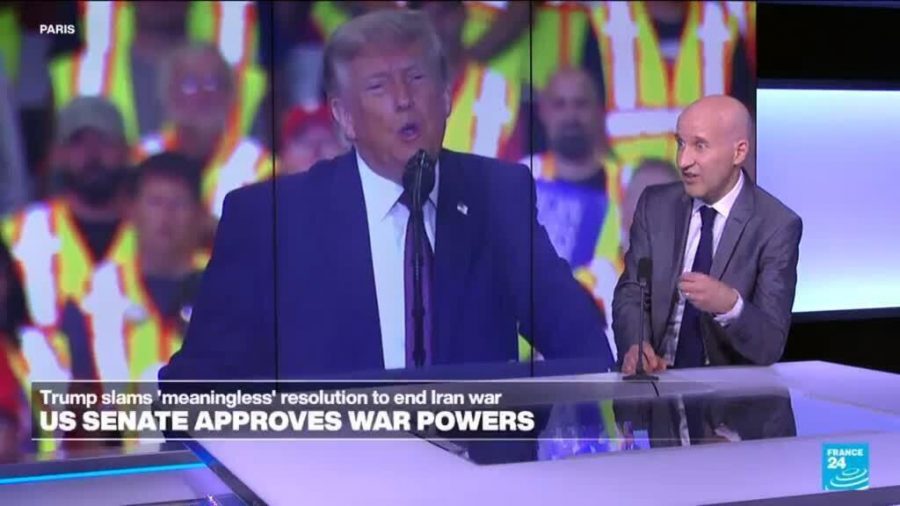
In a significant political move, the U.S. Senate passed legislation on Tuesday aimed at restricting President Donald Trump’s authority to conduct military operations against Iran. This vote, while largely symbolic, marks an evolving dynamic within the Republican Party and raises questions about Trump’s grip on GOP lawmakers as tensions simmer over U.S. foreign policy.
Background on the Legislation
The measure, which received bipartisan support, instructs the President to cease military actions against Iran unless Congress grants express authorization. This decision comes amid heightened concerns regarding escalating hostilities in the region and a growing desire among lawmakers to reassert congressional authority over military engagements.
Trump’s Response and Historical Context
President Trump, who has traditionally enjoyed unwavering support from Republican members of Congress, expressed his discontent with the legislation. In recent weeks, however, there has been a noticeable shift among GOP senators who are increasingly vocal about their concerns regarding the President’s approach to foreign policy.
- Declining Support: The vote reflects a growing division within the party, as some Republicans prioritize constitutional checks over executive power.
- Historical Precedents: Historically, Congress has sought to limit presidential military powers, harkening back to the War Powers Resolution of 1973.
- Bipartisan Concerns: The decision drew support from both sides of the aisle, indicating a joint apprehension about unrestrained military action.
The Implications for Trump and the GOP
This legislative move is viewed as a setback for Trump, who has often operated with a strong executive mindset. The diminishing support for his military strategies could signal a pivotal moment for the GOP, as party members grapple with the implications of Trump’s unyielding approach to foreign affairs.
Political analysts suggest that the Senate vote could embolden other members of Congress to challenge the President on various fronts, potentially leading to more legislative pushback in the future. As the political landscape evolves, the implications of this vote extend beyond Iran, touching on broader issues of governance and the role of Congress in military decisions.
Looking Ahead: The Future of GOP Unity
As the 2024 elections approach, the Republican Party faces critical decisions about its identity and the direction it will take under Trump’s leadership. The recent Senate vote could be a harbinger of more significant fractures within the party, as lawmakers reassess their alliances and priorities.
With rising tensions in the Middle East and increasing calls for accountability, the Senate’s action may not only reshape the discourse around U.S. military engagement but also redefine the relationship between the President and Congress.
In conclusion, while the Senate’s vote may be largely symbolic, it undeniably reflects growing unrest among Republican lawmakers and raises important questions about the future of the party. As the dynamics shift, both Trump and his party will need to navigate this evolving landscape carefully.