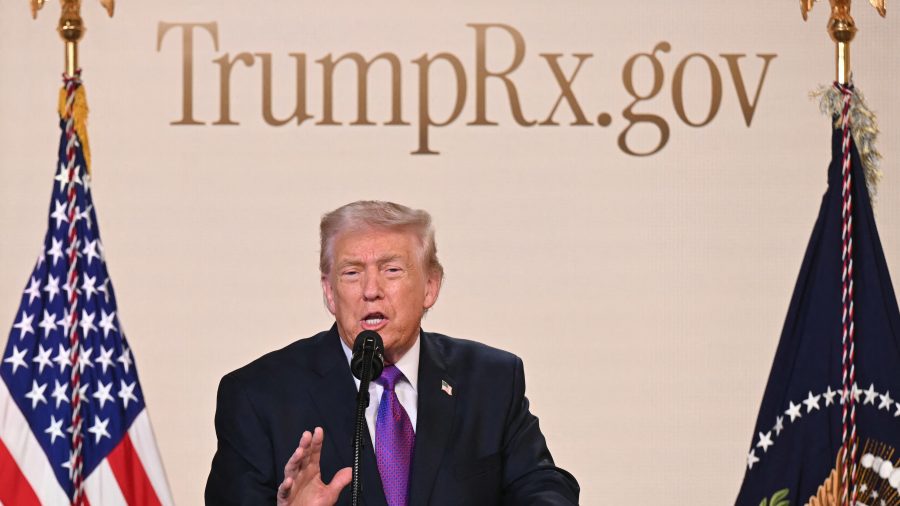
The US Takes a Stand Against Global Prescription Drug Negotiations
In a bold move, US officials have publicly criticized countries with public health systems for what they describe as a “free ride” that these nations receive when negotiating prescription drug prices. This statement comes amidst ongoing debates over drug pricing and access to healthcare, raising questions about the fairness of global health financing.
Understanding the ‘Free Ride’
The term “free ride” has been used to describe how countries with publicly funded health systems often benefit from the investments made by pharmaceutical companies in research and development. While these companies invest billions in bringing new drugs to market, countries with public health systems negotiate lower prices, sometimes as much as 90% lower than those paid in the US. This has led to growing frustration among American lawmakers and health advocates.
The Implications for US Patients
As the US grapples with high prescription drug costs, officials argue that the disparities in pricing are unsustainable and unfair to American consumers. According to the US Department of Health and Human Services, patients in the US often pay significantly higher prices for the same medications compared to their counterparts in countries like Canada, the UK, and Australia. This discrepancy raises critical moral questions about healthcare access and equity.
Responses from Other Countries
Countries benefiting from lower drug prices strongly defend their negotiation strategies. Advocates assert that public health systems exist to ensure that all citizens have access to necessary medications, regardless of income. They argue that these systems are not receiving a “free ride” but are instead prioritizing public health through effective negotiation.
The Role of Pharmaceutical Companies
Pharmaceutical companies argue that their high prices in the US are necessary to fund ongoing research and development of new drugs. They maintain that lower prices in other countries come at a cost to innovation, as they rely on revenues from the US market to sustain their operations. The industry claims that if the US were to adopt similar pricing structures, it could lead to a significant reduction in the number of new drugs entering the market.
The Debate Over Drug Pricing
- Innovation vs. Accessibility: The crux of the debate lies in balancing the need for pharmaceutical companies to profit and innovate while ensuring that drugs remain accessible to all.
- Global Health Equity: Advocates for global health equity argue that every country should strive for a system that prioritizes patient access over profit margins.
- Potential Policy Changes: The US government is exploring various policy changes aimed at reducing drug prices, including the possibility of negotiating prices directly with pharmaceutical companies.
Conclusion
The ongoing dialogue surrounding prescription drug pricing is complex, fraught with differing opinions and moral dilemmas. As the US government continues to scrutinize the pricing strategies of other nations, it raises critical questions about the future of healthcare both domestically and globally. With the stakes so high, the resolution of this issue will likely require significant compromise and innovative thinking from all parties involved.