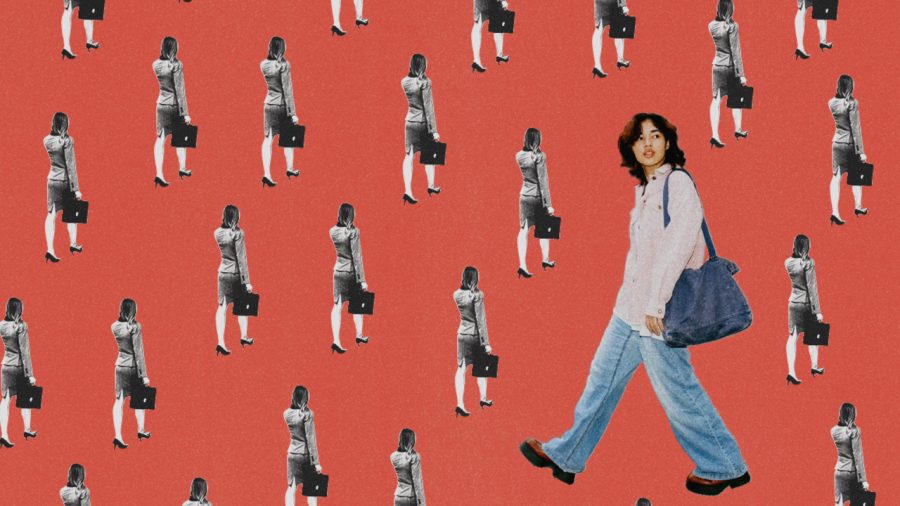
The Evolution of Workplace Attire
In recent years, the landscape of professional attire has undergone a significant transformation, particularly when it comes to the first-day-of-work outfit. Once characterized by formal suits and polished shoes, today’s workplace dress code is becoming increasingly casual, reflecting broader cultural shifts and changing corporate values.
The Shift Towards Casual Wear
Historically, the first day at a new job meant donning the best attire to make a positive impression—usually a tailored suit or a formal dress. However, as companies embrace more relaxed work environments, this trend has shifted dramatically. Many organizations, especially in tech and creative industries, now encourage employees to dress in a way that feels comfortable and authentic.
According to a recent survey, over 70% of employees believe that casual workplace attire enhances their productivity and creativity. This shift is not merely about comfort; it reflects a deeper cultural change within organizations that prioritize inclusivity and individual expression.
Impact of Remote Work
The rise of remote work has also played a pivotal role in this casualization. As employees transitioned to home offices during the pandemic, traditional dress codes became obsolete. Video conferencing tools allowed individuals to present a professional image from the waist up while remaining in their loungewear below, effectively dismantling the rigid norms of office attire.
Now, as many organizations adopt hybrid work models, the expectation of formal clothing has diminished. Employees are often seen wearing smart-casual outfits on their first day, reflecting both comfort and a more relaxed corporate culture.
Corporate Culture and Employee Well-Being
Experts argue that this casualization of attire can be linked to a broader understanding of employee well-being. Organizations are increasingly recognizing that allowing employees to express themselves through their clothing can lead to higher job satisfaction and increased morale. By fostering a relaxed atmosphere, companies aim to attract a diverse pool of talent while promoting a culture of openness and innovation.
The Return of CEO Salaries
While the conversation around workplace attire evolves, another trend emerges in the corporate world: the resurgence of nine-figure CEO salaries. After a period of scrutiny over high executive compensation, many companies are once again awarding hefty pay packages to their top executives. This trend has raised eyebrows, especially in light of ongoing economic uncertainty and rising income inequality.
Critics argue that exorbitant salaries for CEOs send a troubling message about corporate priorities. However, proponents maintain that competitive compensation is necessary to attract and retain top talent, particularly in industries undergoing rapid change and innovation.
Oracle’s Mass Layoffs: A Case Study
A recent example highlighting the tension between executive compensation and workforce stability is Oracle’s decision to conduct mass layoffs despite the company’s substantial profits. While CEO salaries have seen a significant rise, the layoffs suggest a disconnect between executive pay and the experiences of average employees.
As Oracle navigates its transformation, questions arise about the sustainability of such high salaries amid workforce reductions. This situation reflects broader concerns in the tech industry, where rapid growth often does not translate into job security for employees.
Conclusion: A Changing Landscape
The casualization of first-day-of-work outfits signifies a shift towards more inclusive and flexible corporate cultures, while the resurgence of high CEO salaries raises important questions about equity and priorities within organizations. As companies continue to evolve, the balance between comfort, expression, and fair compensation will remain critical in shaping the future of work.