Iran-US Technical Talks Set to Take Place in Switzerland
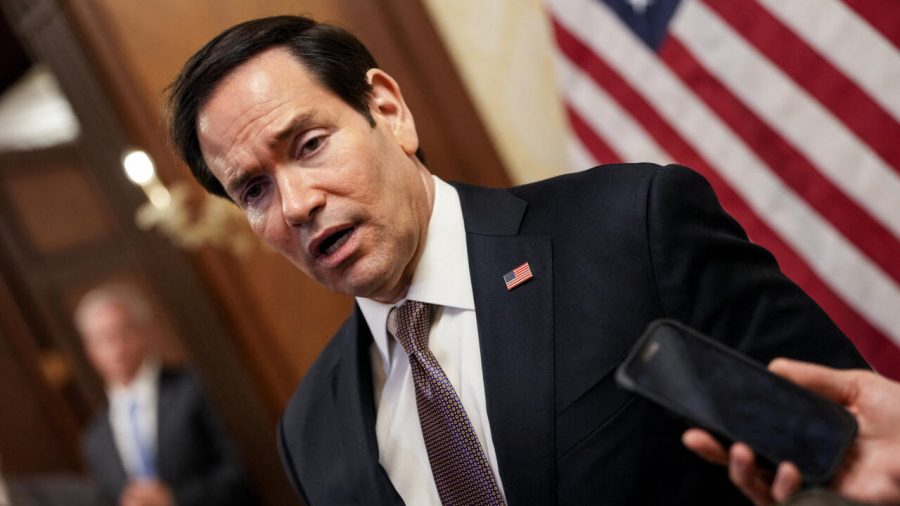
In a significant diplomatic move, U.S. Senator Marco Rubio has announced that technical discussions between Iran and the United States will be held in Switzerland by the end of June. This development comes amid ongoing tensions and negotiations surrounding Iran’s nuclear program and its relationship with the West.
The Context of the Talks
The announcement of these talks follows months of strained relations between Iran and the United States, particularly after the U.S. withdrawal from the Joint Comprehensive Plan of Action (JCPOA) in 2018. Since then, Iran has gradually stepped away from its commitments under the agreement, leading to heightened concerns over its nuclear ambitions.
Senator Rubio, a prominent figure in U.S. foreign policy, emphasized the importance of these discussions, stating that they are crucial for addressing not only Iran’s nuclear activities but also its regional influence and support for militant groups.
What to Expect from the Talks
The upcoming talks are expected to focus on several key areas:
- Nuclear Program: The primary agenda will likely revolve around Iran’s nuclear capabilities and the need for transparency and compliance with international regulations.
- Regional Security: The discussions may also delve into Iran’s role in regional conflicts and its support for proxy groups in Iraq, Syria, and Yemen.
- Economic Sanctions: Potential pathways to easing economic sanctions imposed on Iran will be a critical component, as both sides seek to find common ground.
Implications for U.S.-Iran Relations
The outcome of these talks could have far-reaching implications for U.S.-Iran relations and the broader geopolitical landscape of the Middle East. Success in negotiations may pave the way for renewed dialogue and potential agreements, while failure could lead to escalating tensions.
Experts suggest that both nations face significant domestic pressures that may influence their negotiation strategies. For Iran, the economic hardships exacerbated by sanctions have created a pressing need for relief, while the U.S. administration is keen on demonstrating a strong stance against perceived threats to national security.
International Reactions
International observers are closely monitoring the situation, with many nations expressing cautious optimism regarding the potential for diplomacy. The European Union, which has been involved in mediating talks in the past, has reiterated its support for a diplomatic resolution to the ongoing crisis.
Moreover, countries in the region, particularly those directly affected by Iran’s policies, are watching the developments with a mix of hope and skepticism. The dynamics of these talks could reshape alliances and impact regional stability.
Conclusion
As the date for the talks approaches, the world awaits with bated breath to see if Iran and the United States can move past years of hostility and find a pathway towards a more stable and secure future. The stakes are high, and the potential rewards even higher, making this a pivotal moment in international diplomacy.